Where the work with farmers, data and capital started
The thread that runs through Wovoka began here. A sophomore found a Ugandan NGO on a project list, flew in five days early to meet it, and spent the next year raising money for it. Twenty years later that NGO, RASD, is still a partner.
The journey
Tap a stop.
"It was the experience I drew on the most for my Marshall Scholarship interview."Lee Pearson, on the 2007 RASD internship, in a thank-you letter to the J.W. Saxe Memorial Fund, November 2007
From a Durham playground to a resource centre in Nkokonjeru
Lee joined the chapter's design team in 2005 and was its president in 2006. The chapter coordinated a site assessment in 2006 and an implementation in 2007 for a water project in Kasaka and a resource centre in Nkokonjeru, Uganda, raising more than $27,000 to do it. In 2006 Duke named Lee an Outstanding Student Leader.
Central Buganda University, Kasaka, 2006: the water project
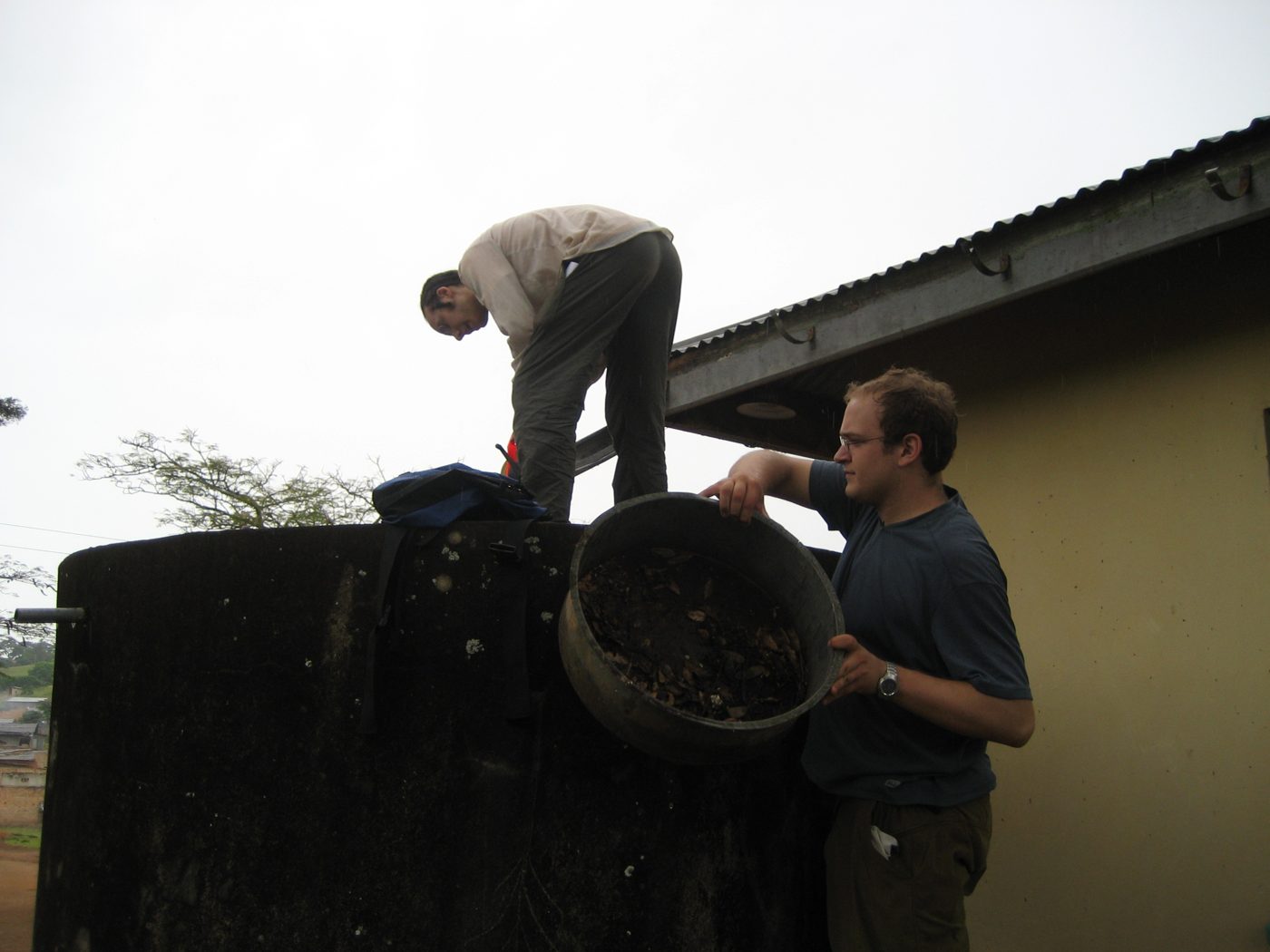
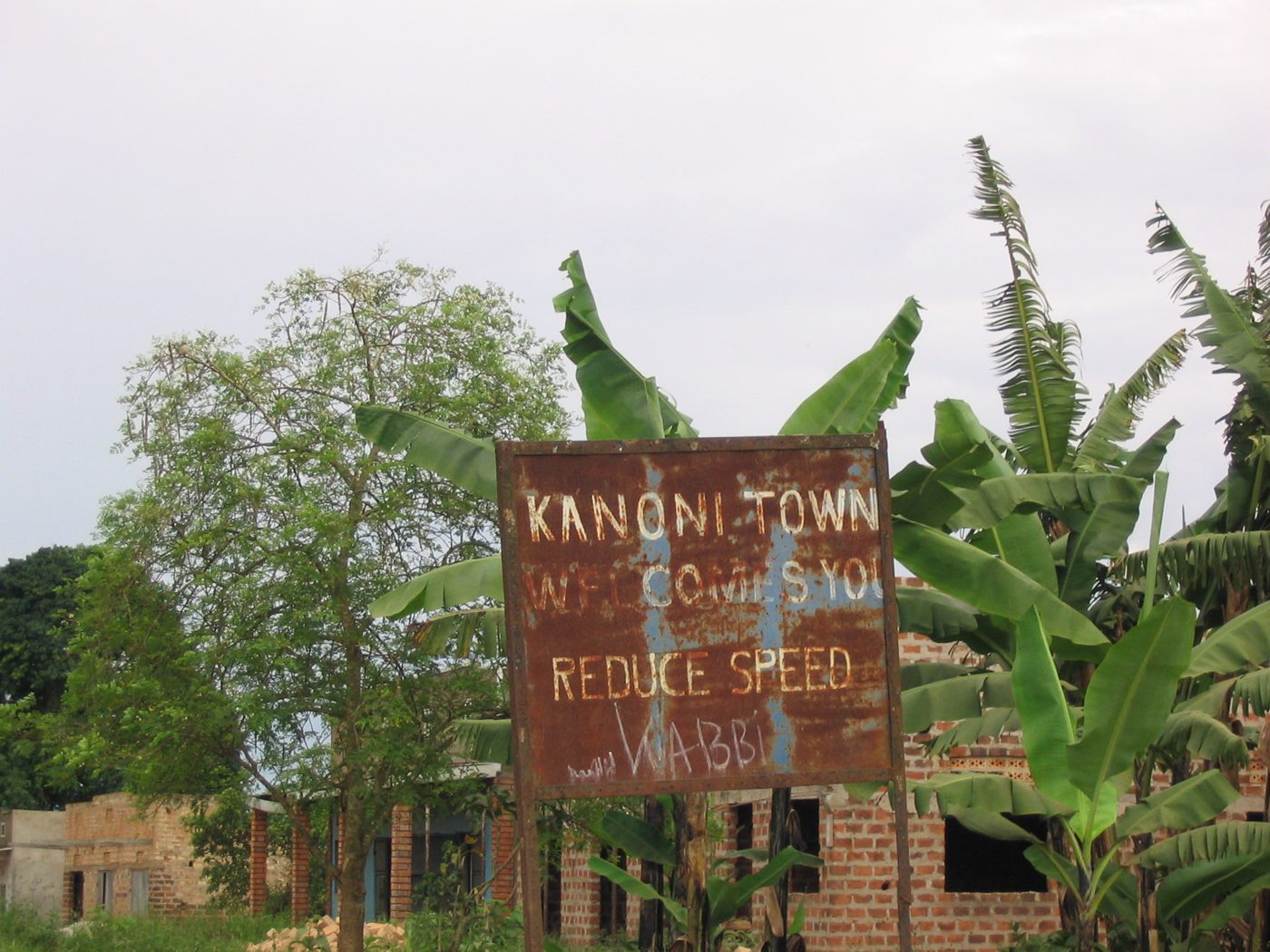
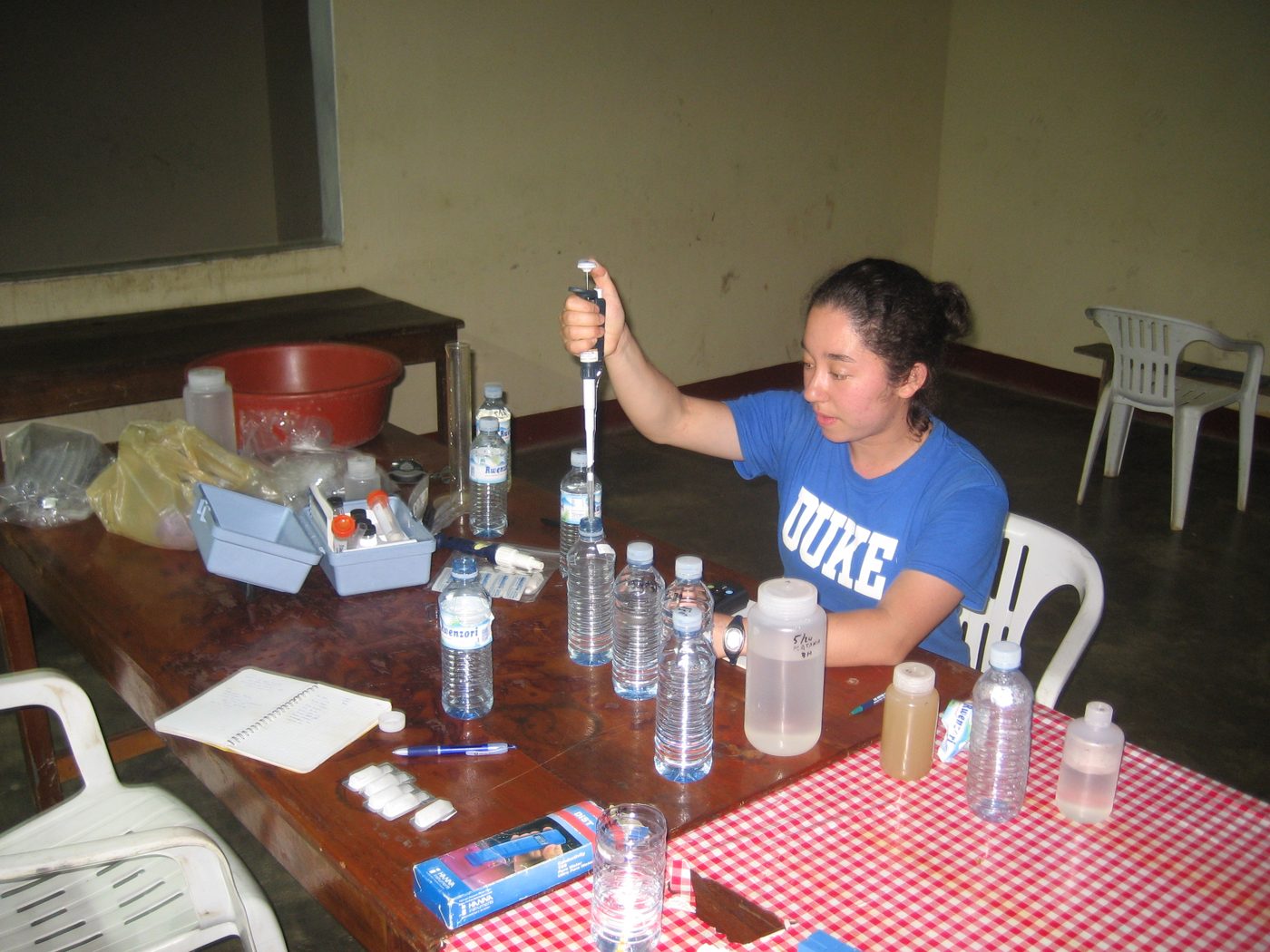
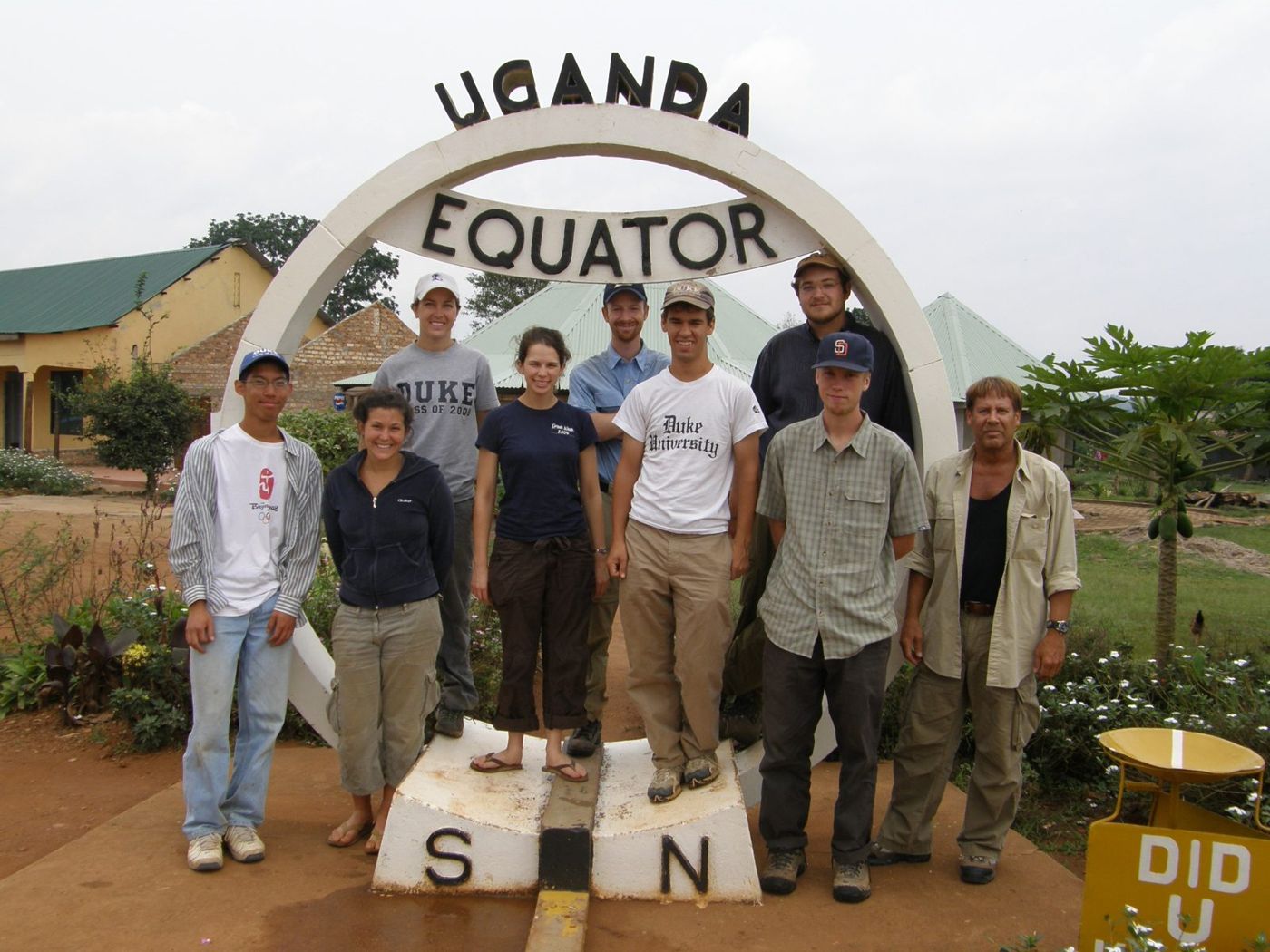
The chapter's first Uganda project was with Central Buganda University, which "lies between the villages of Kanoni and Kasaka outside Mpigi", 96 km west of Kampala, at the invitation of its vice-chancellor. Kasaka was a village of about 380 people, mostly subsistence farmers. In May 2006 Lee led a site-assessment team of five students with faculty mentor Prof. David Schaad: health, cultural and engineering teams, a GPS map of the watershed, borehole stress tests, interviews with villagers and doctors, and water-quality samples taken from source to household. The coliform samples were incubated in "a homemade incubator", a cardboard box with Styrofoam and hot-water bottles, and ten rain gauges were left with farmers, teachers and pupils. Newsweek told the story that August: Lee "spent a month in Uganda for a clean-water project, using a clothes iron to seal water samples and building an incubator out of cardboard and Styrofoam". Being in the field, he told the magazine, "teaches you to be flexible and ruthlessly creative".
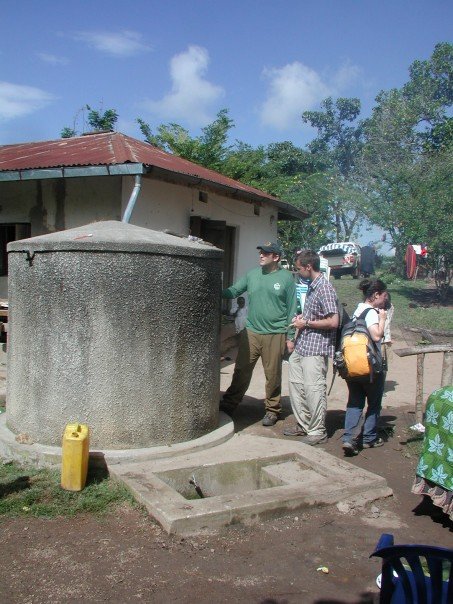
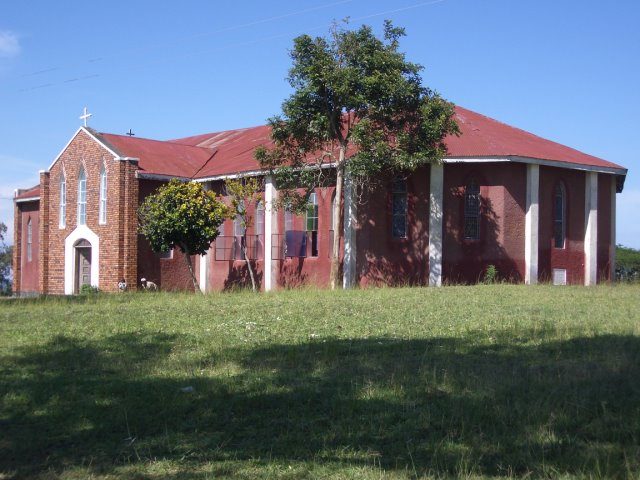
The results were stark. Only the boreholes gave "reliably uncontaminated water"; springs, tanks and stored household water averaged more than 50 E. coli per 100 mL. Back at Duke, Lee turned the data into a cost model for a systems class: rain tanks on two buildings, a church and a university hall, would cost about $2,760 over five years, against $38,765 for buying water from carriers at $0.20 a jerry can. "The RWH solution costs over 10 times less."
The team came back in summer 2007 for a month and built a concrete rainwater-harvesting tank at the university.
Sources: Lee's Leonard M. Rieser Fellowship proposal and project write-ups; "Improving Access to Water for Residents of Kasaka", Lee's paper of November 2006; The Chronicle, Sept 2007; Newsweek, "Sexing Up Science", August 2006.
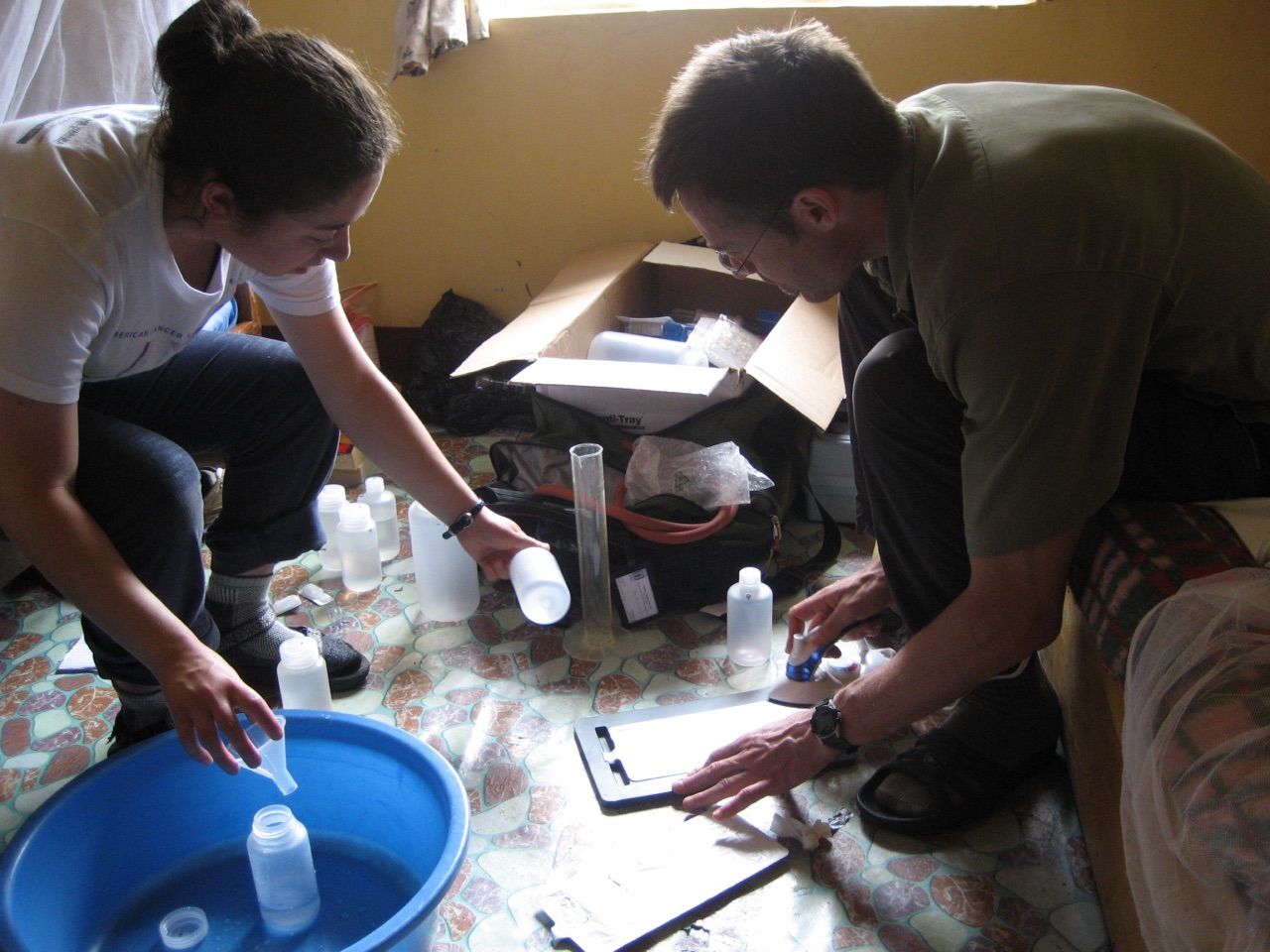
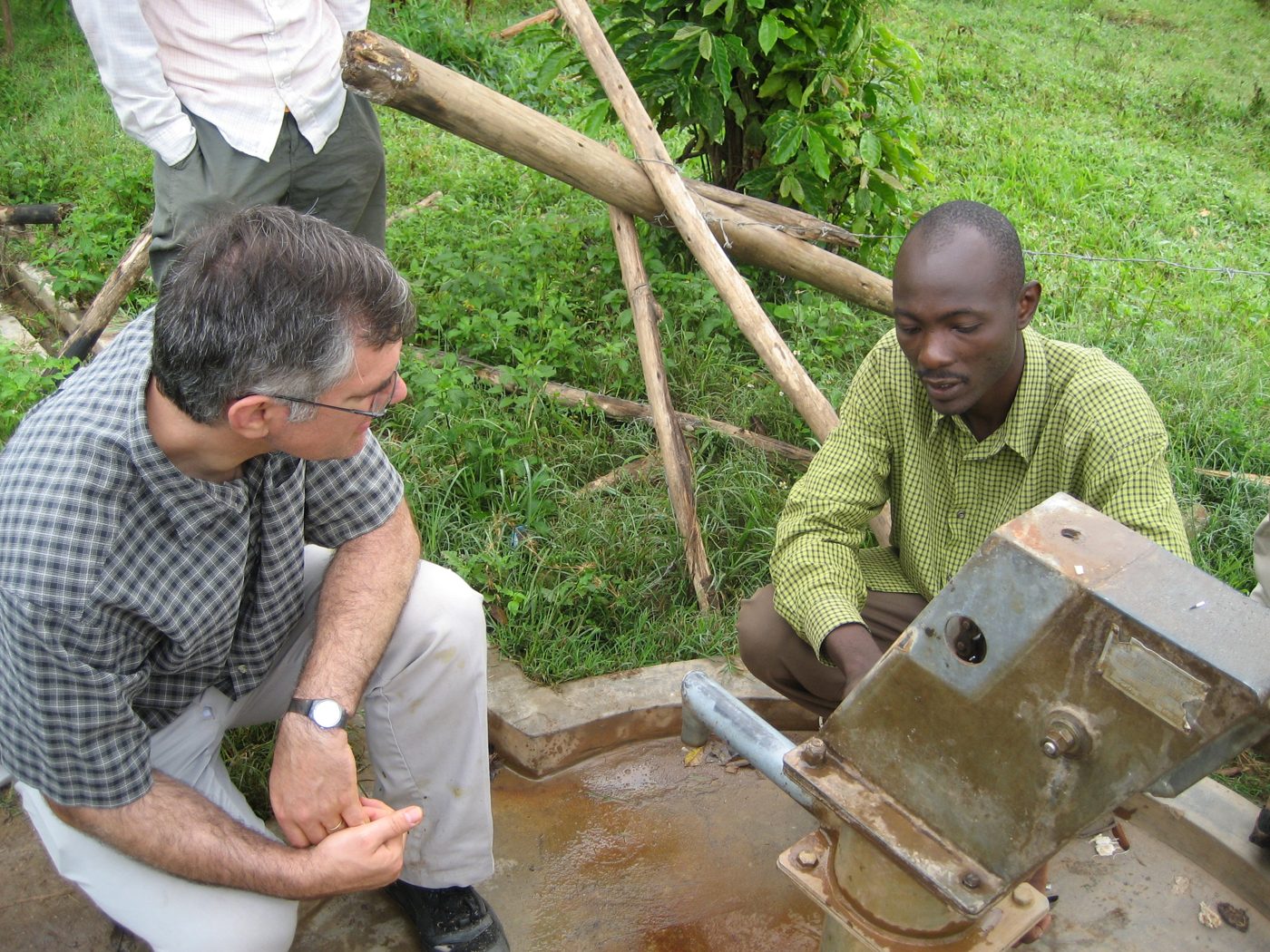
Nkokonjeru, 2006 to 2008: RASD
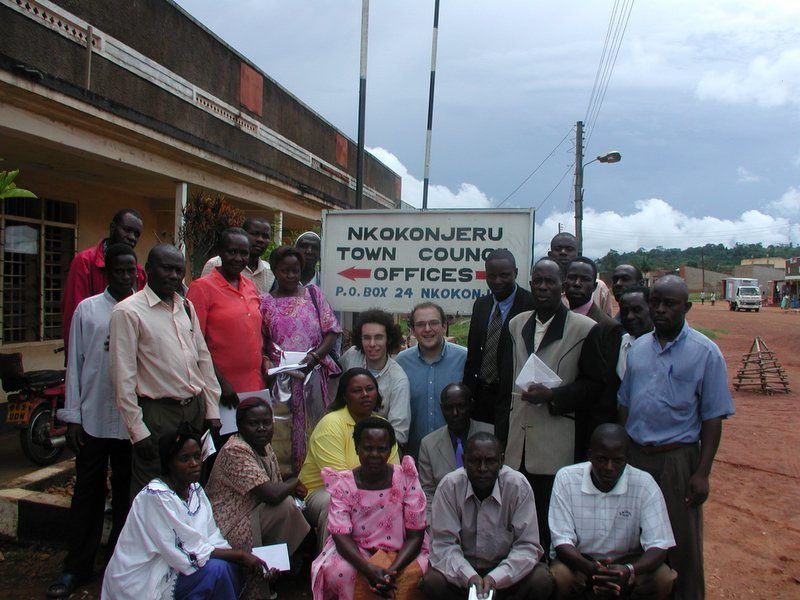
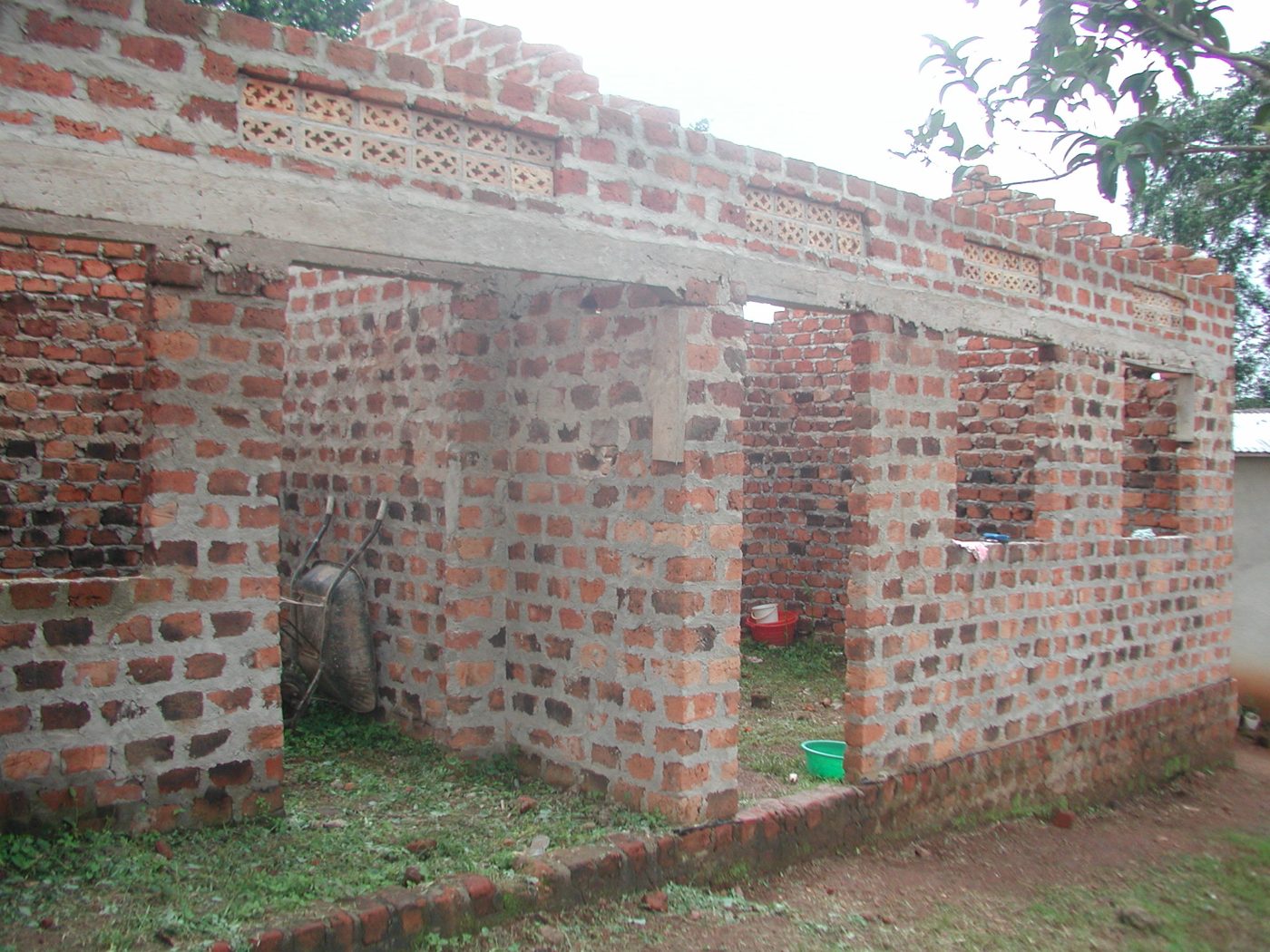
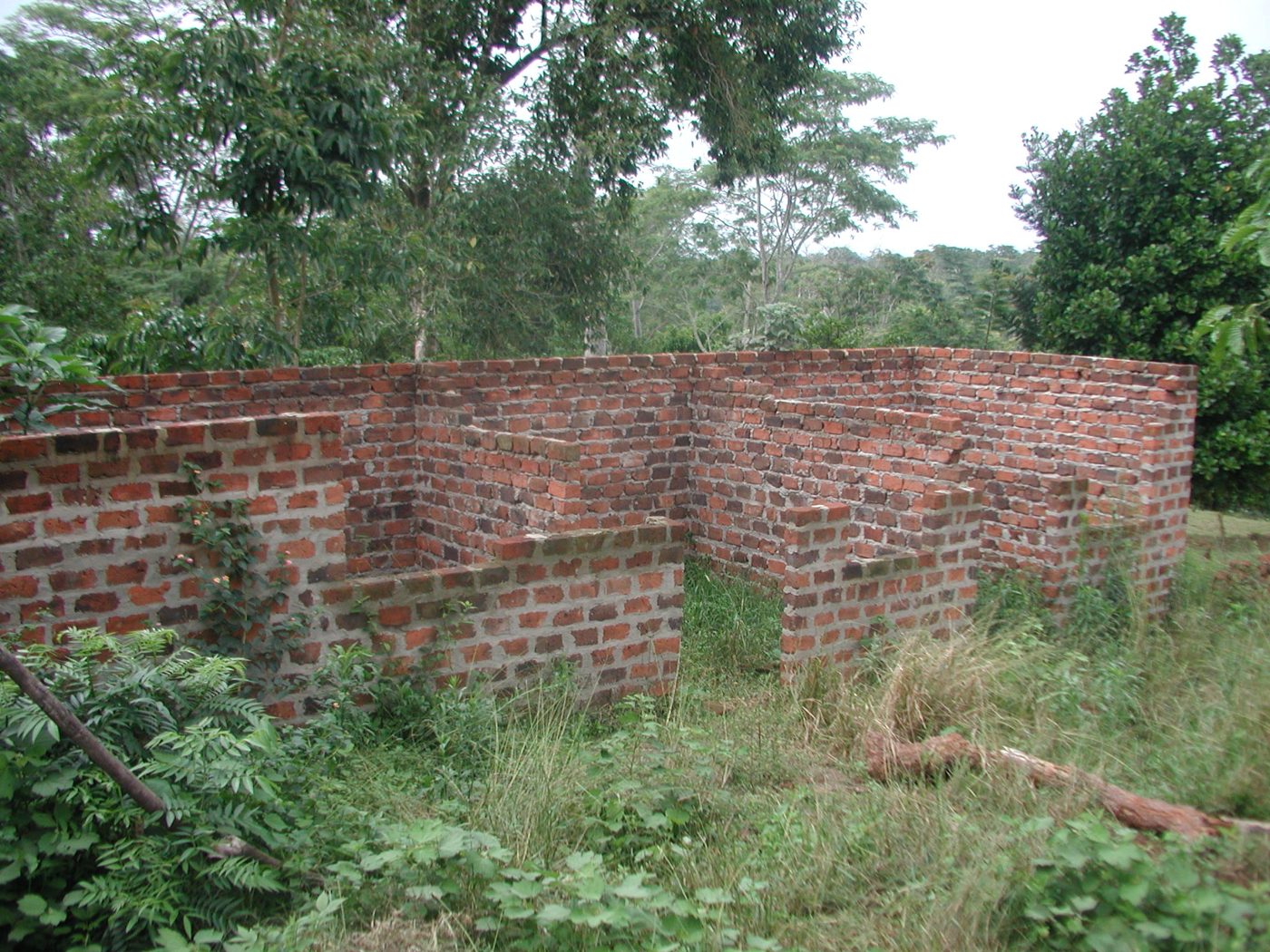
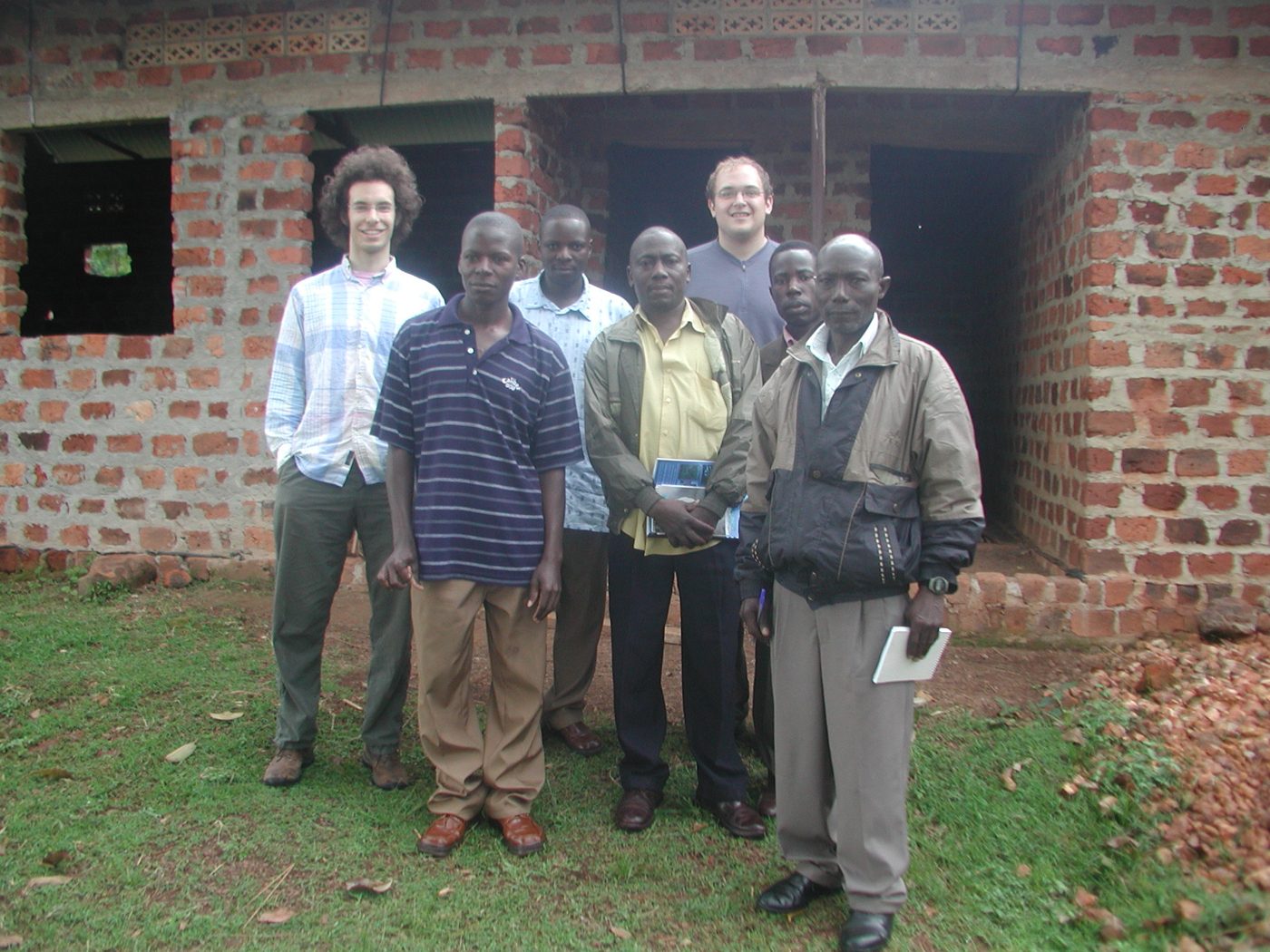
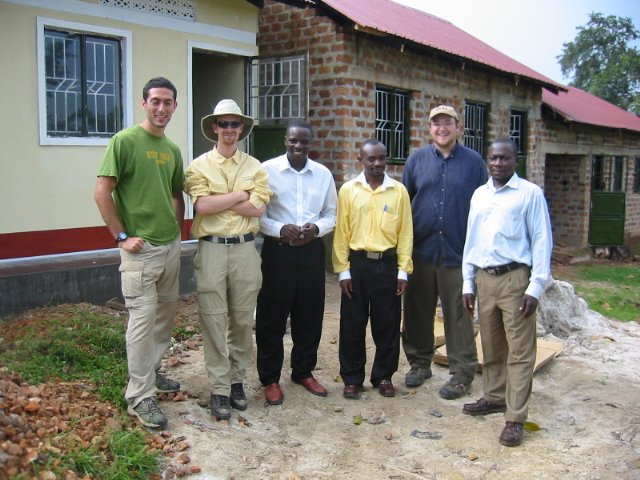
The Rural Agency for Sustainable Development is an NGO in Nkokonjeru run by people who grew up there. A volunteer from South Carolina had put it forward to EWB-USA; Lee found it on the open project list and, with fellow student Ben Abram, flew in five days before the Kasaka trip to meet its director, Ignitius Bwoogi, the town council and village leaders, and to tour a resource centre whose walls were only half built. They stayed three days. Brick walls stood for four buildings but only one had a roof: the money had run out when local vanilla prices crashed. Ignitius, Lee and Ben drew up a rough budget to finish the centre: about 17.4 million Ugandan shillings, or $9,375, for a building with a library, conference room, computer room and carpentry room. The chapter's proposal pitched it to Duke as "an abroad research laboratory for Pratt students" too.
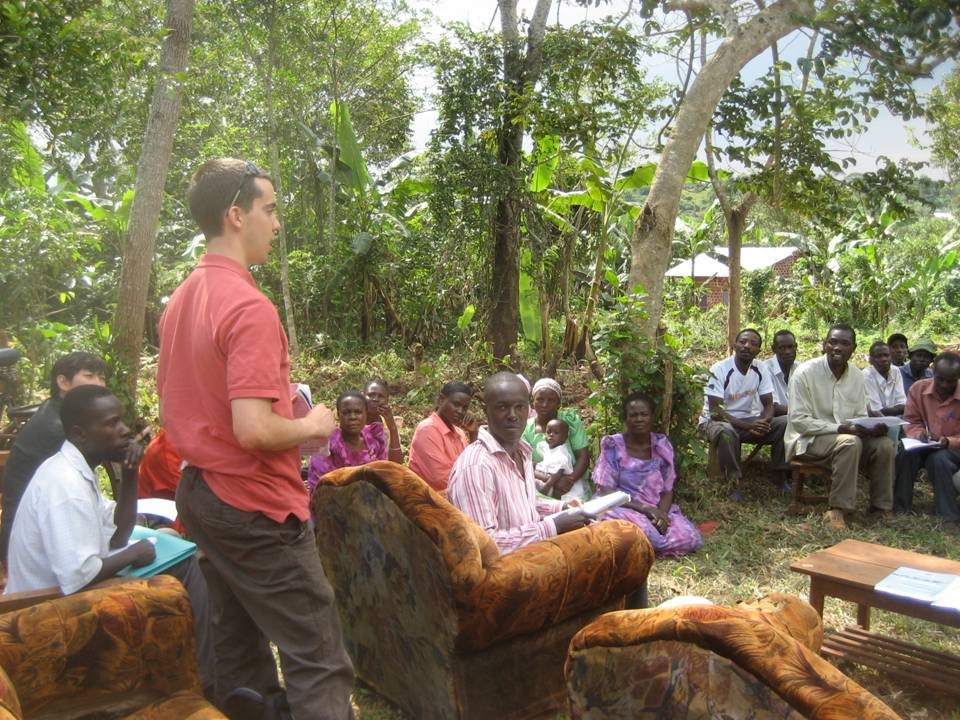
"I had never been across the Atlantic Ocean before and never imagined that my first trip across I would find myself in East Africa," Lee wrote in April 2007. The next morning Ignitius and the town's mayor collected them from their hotel. In the town hall, village leaders from across the district had come to meet them, and the agenda had the two students down to make a speech. RASD itself had been incorporated only in December 2005.
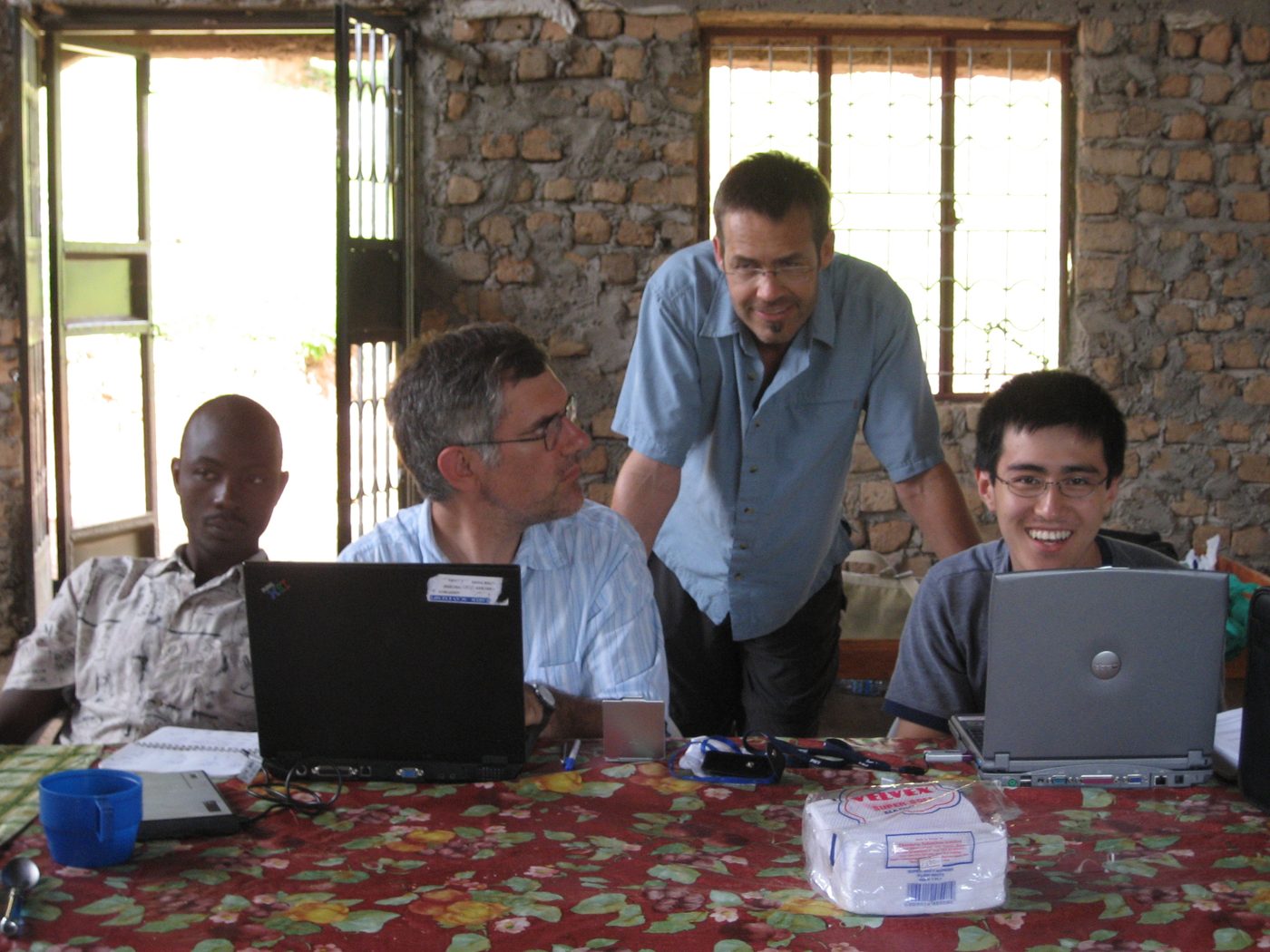
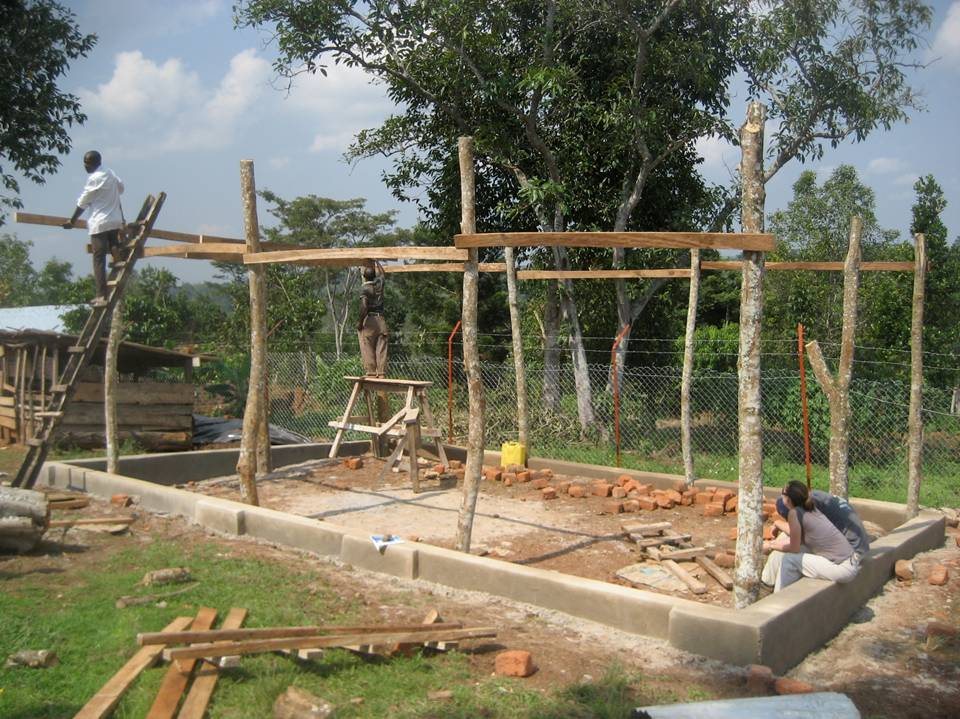
A year later, on a J.W. Saxe Memorial Fund internship, Lee went back. The main building of the resource centre, which Duke EWB "had helped construct", was now finished inside and out, paid for with $5,000 the chapter had sent. The second building needed only doors, plaster and paint, and the other two still had just foundations and some walls; Ignitius and Lee budgeted about $13,000 more to finish the complex. The team installed "two solar powered Linux computers, solar panels, and a printer", plus "a digital library of over 1,400 books" on sustainable development. Until then, RASD's leaders "traveled over three hours to Kampala to check email". The computers came through a collaboration between EWB and Duke's Smart Home. The team's report, which Lee co-wrote, gives the specification: a 162-watt solar station of three 54-watt panels, a 40-watt cluster of two Linux computers and a 1,500-book digital library on appropriate technology, on a total budget of $13,269. Local workers installed it, and local solar and computer suppliers took on the maintenance.
In spring 2008 Lee brought Ignitius to Duke, with help from Duke Conversations. It was his first trip outside East Africa. He spoke to students about RASD and stayed a month on Lee's futon in the Smart Home, while they worked with DukeEngage on the 13 students who would go to Uganda that summer. Uganda became part of the DukeEngage programme after the chapter's work there. Today RASD is Buji Vanilla's NGO partner in Uganda.
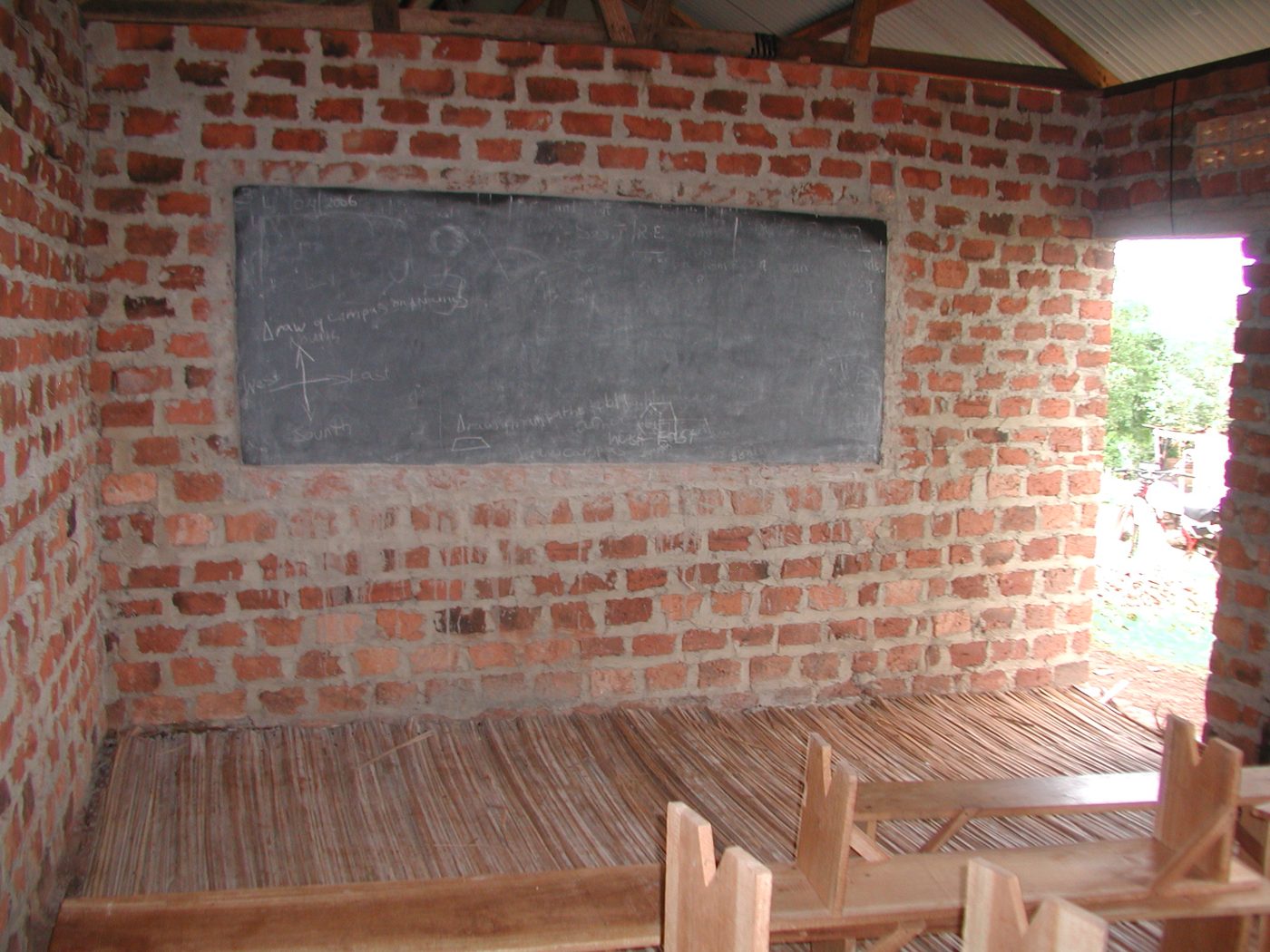
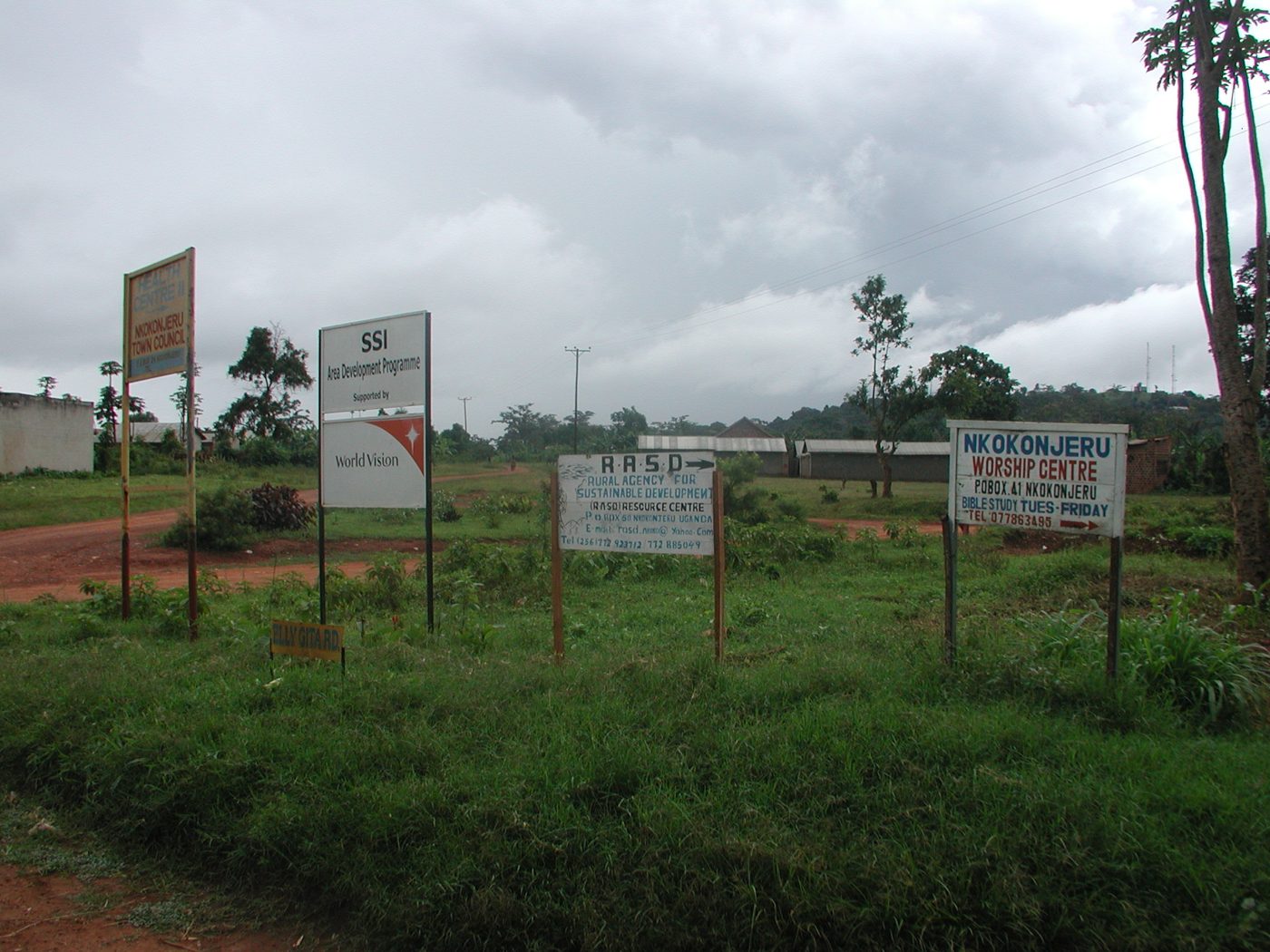
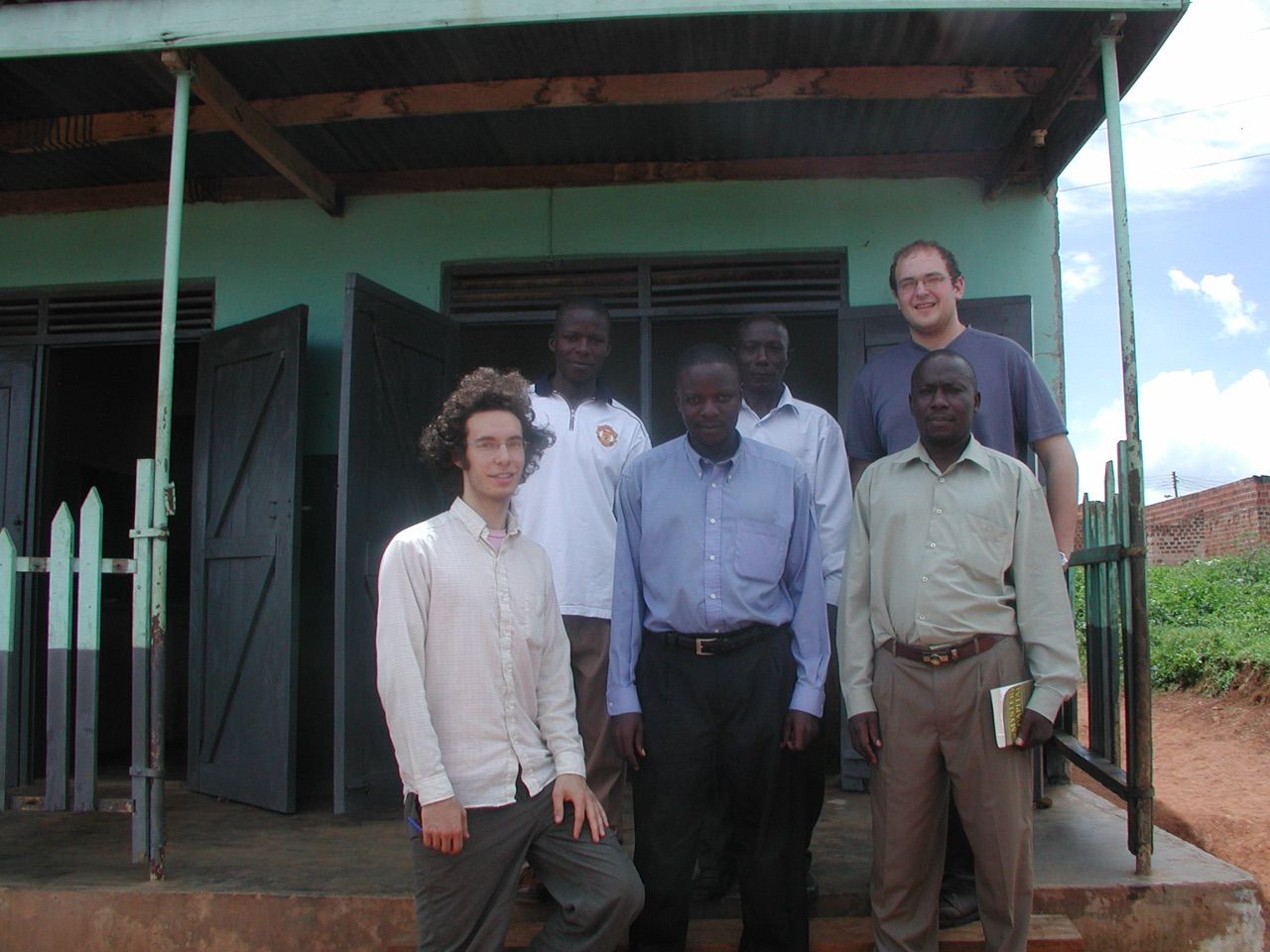
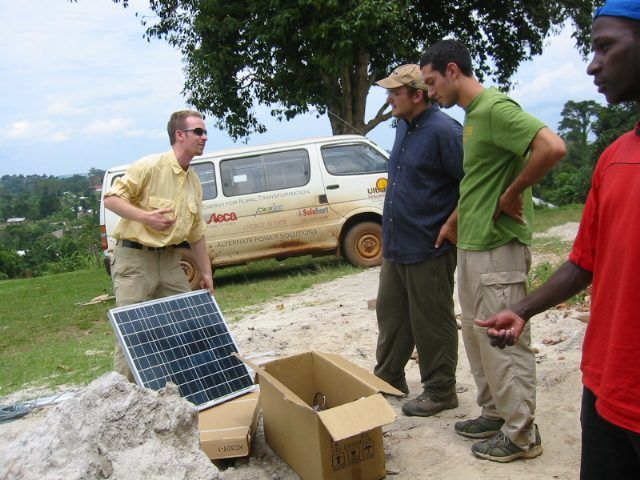
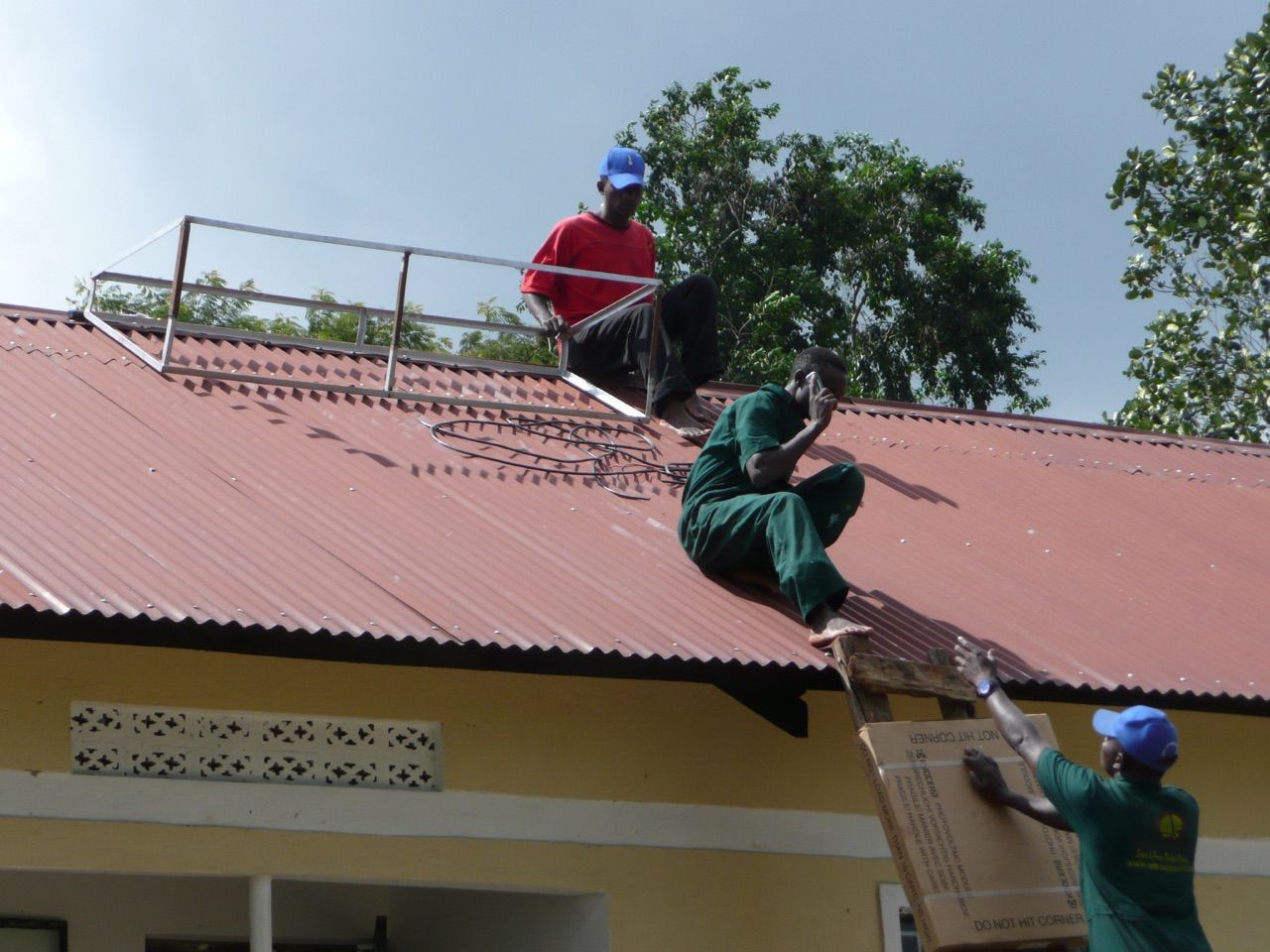
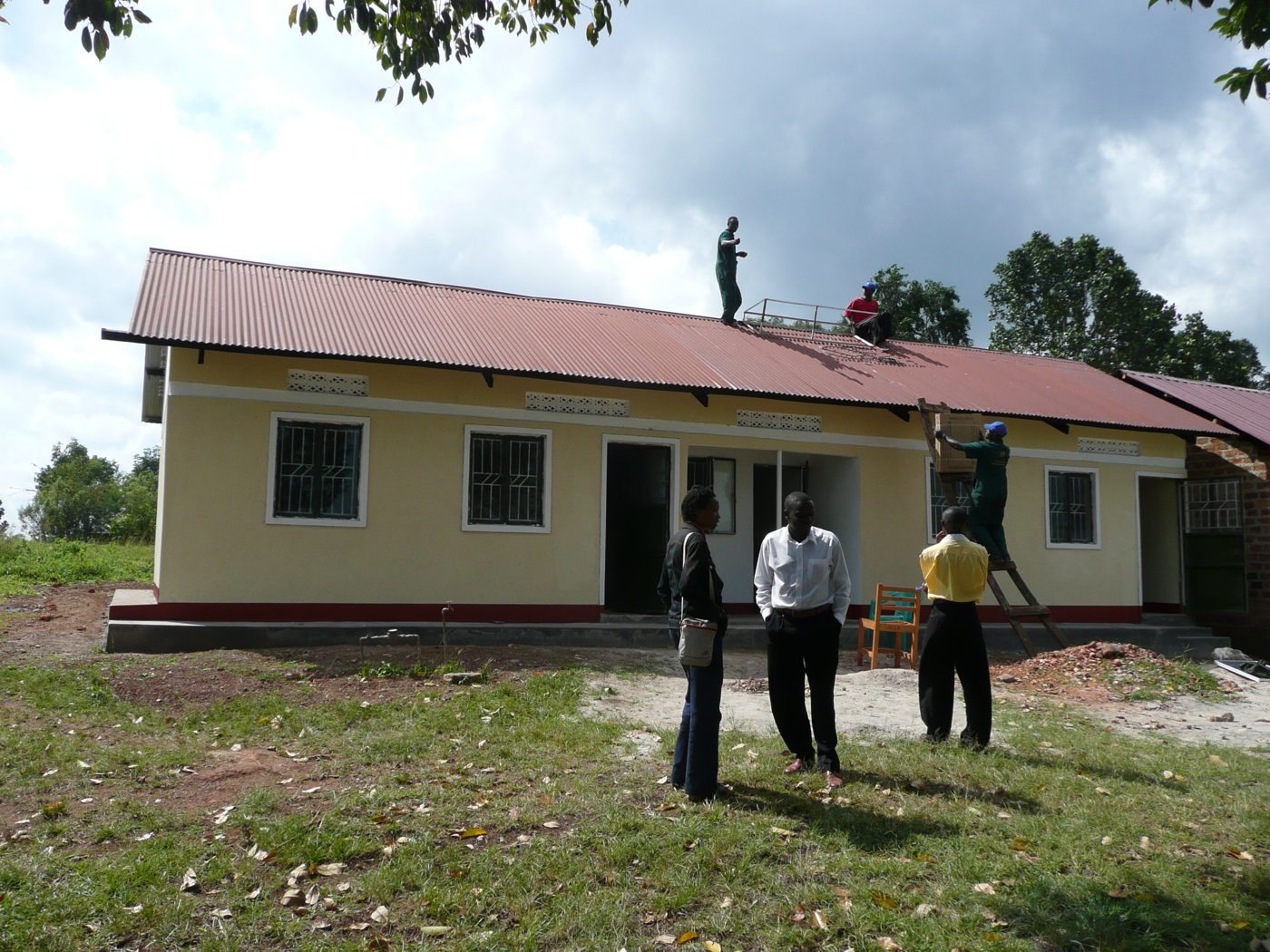
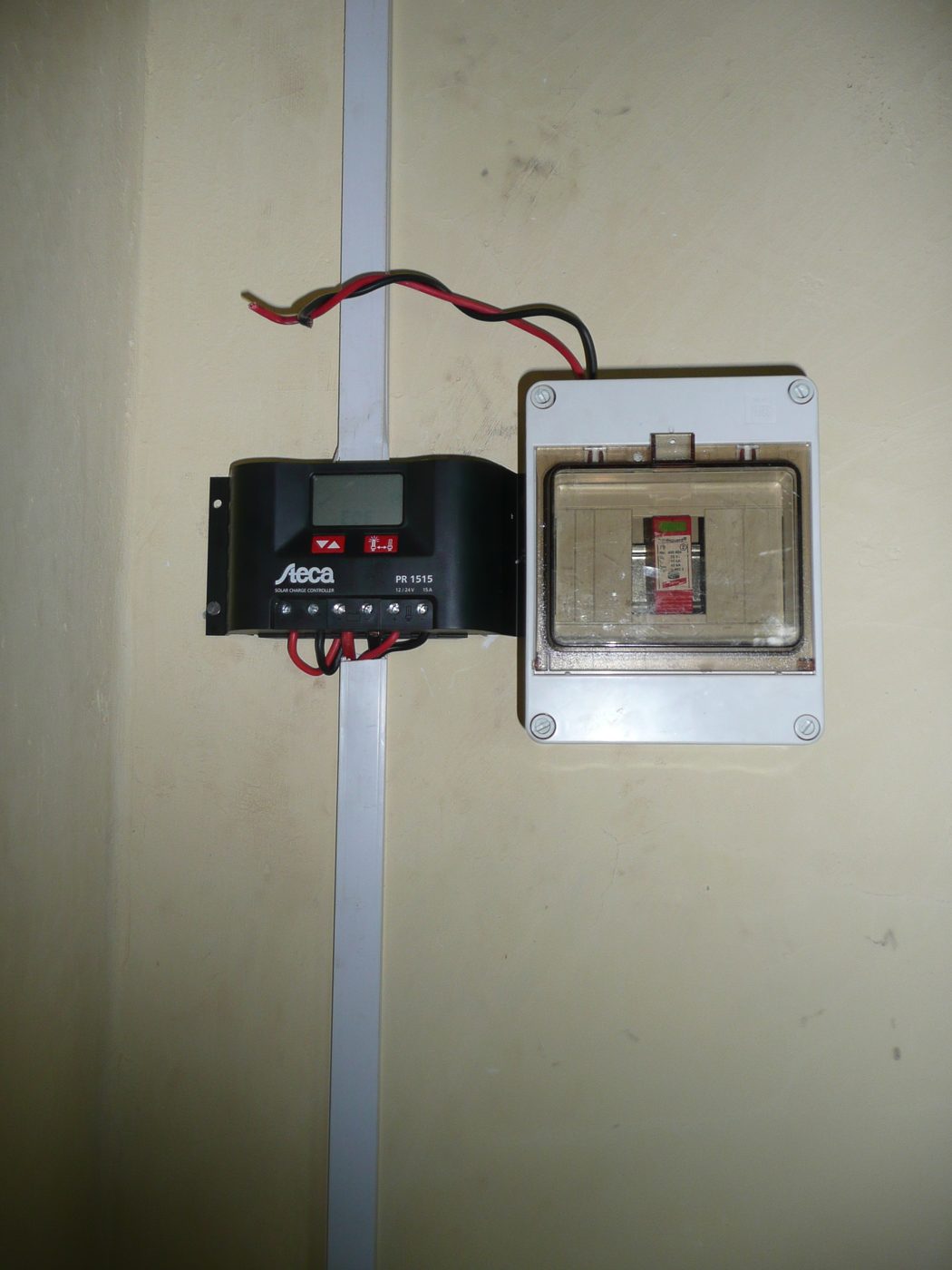
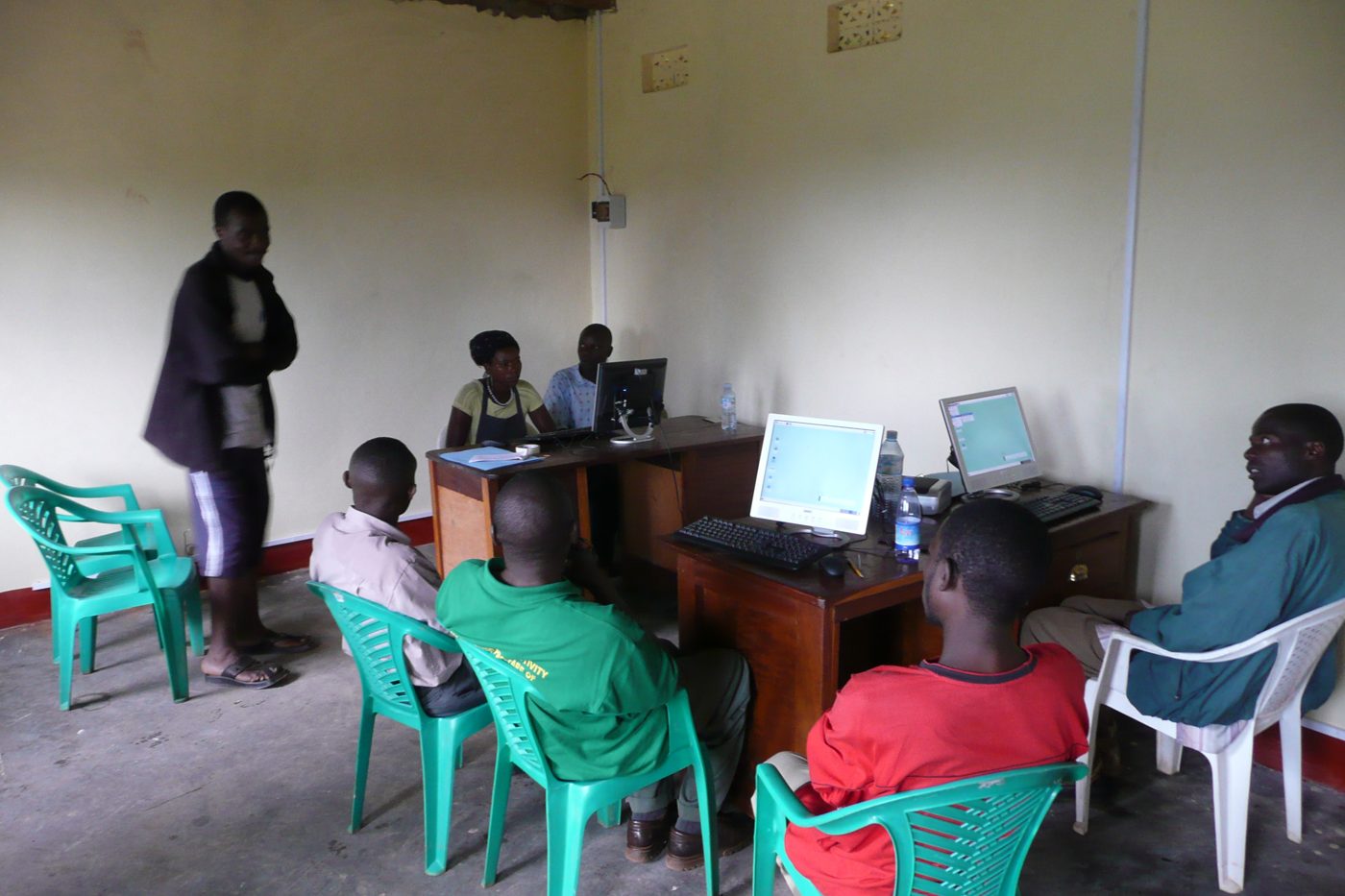
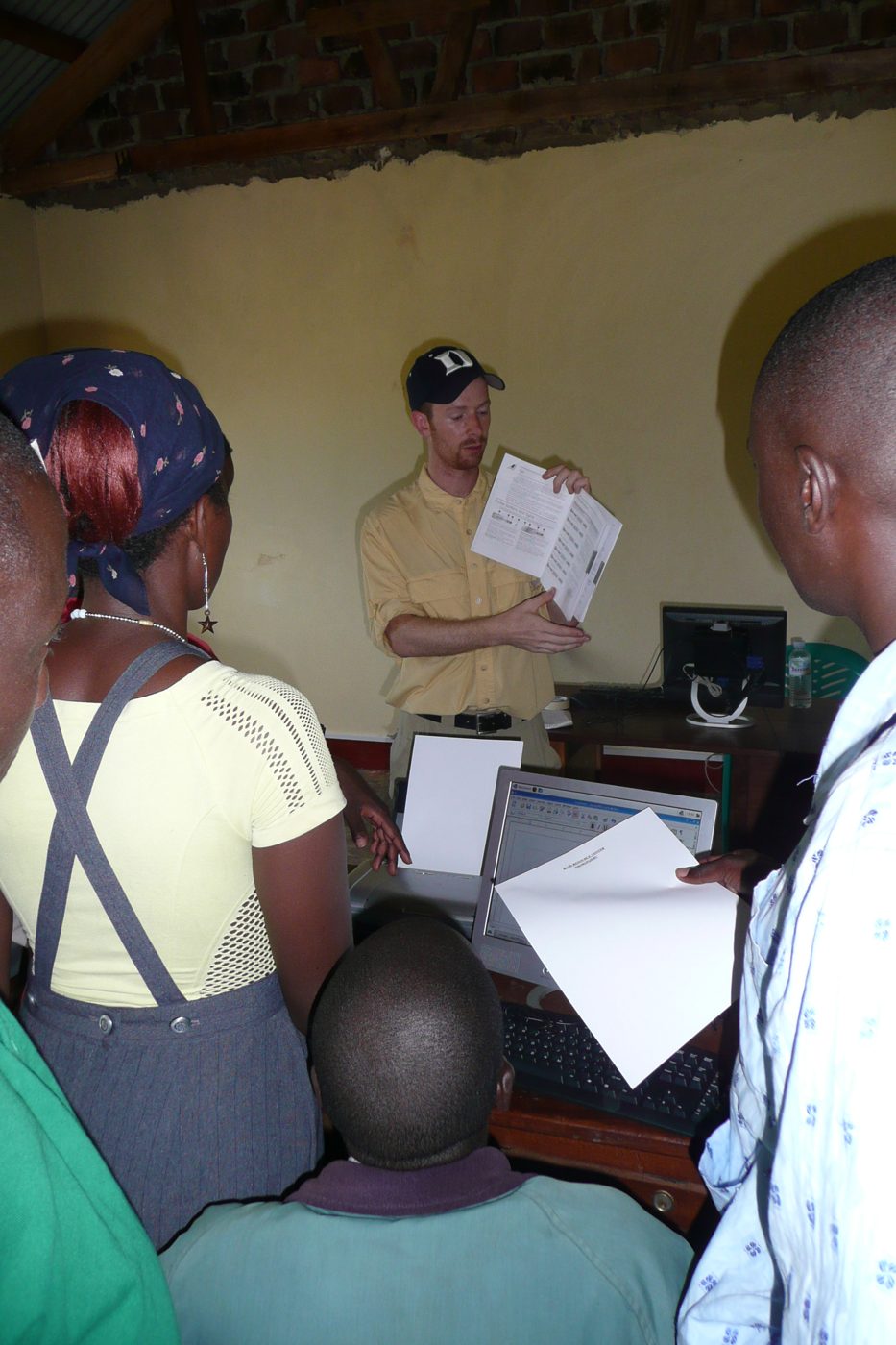
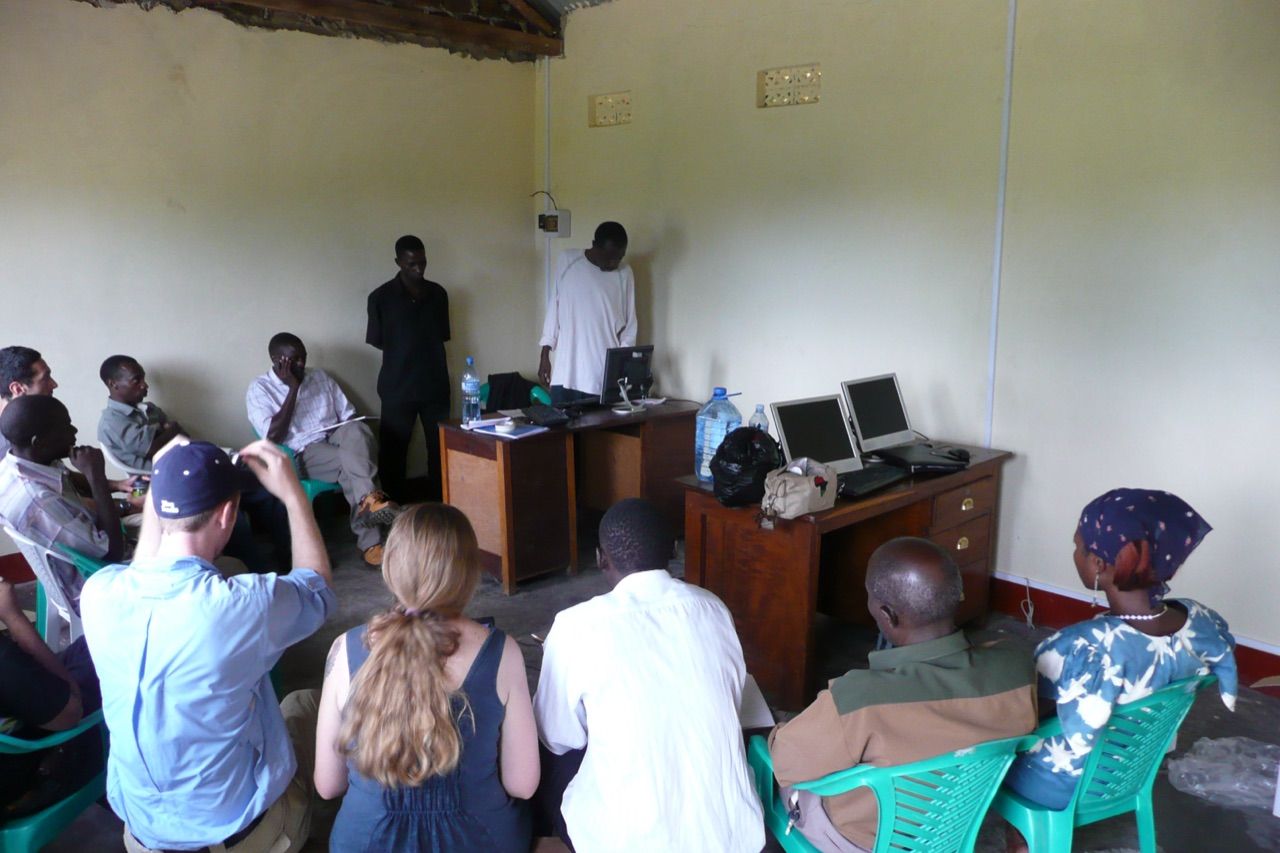
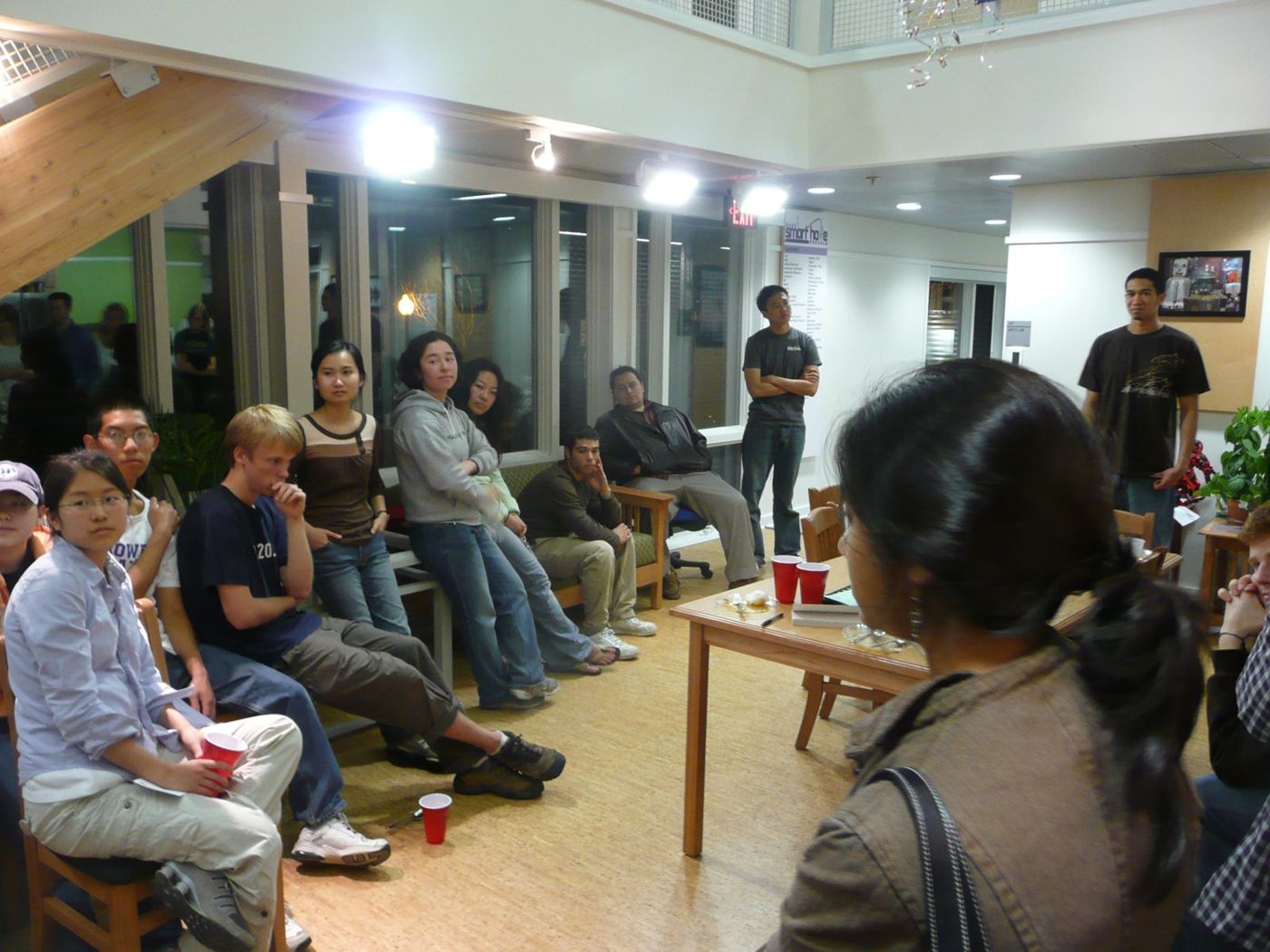
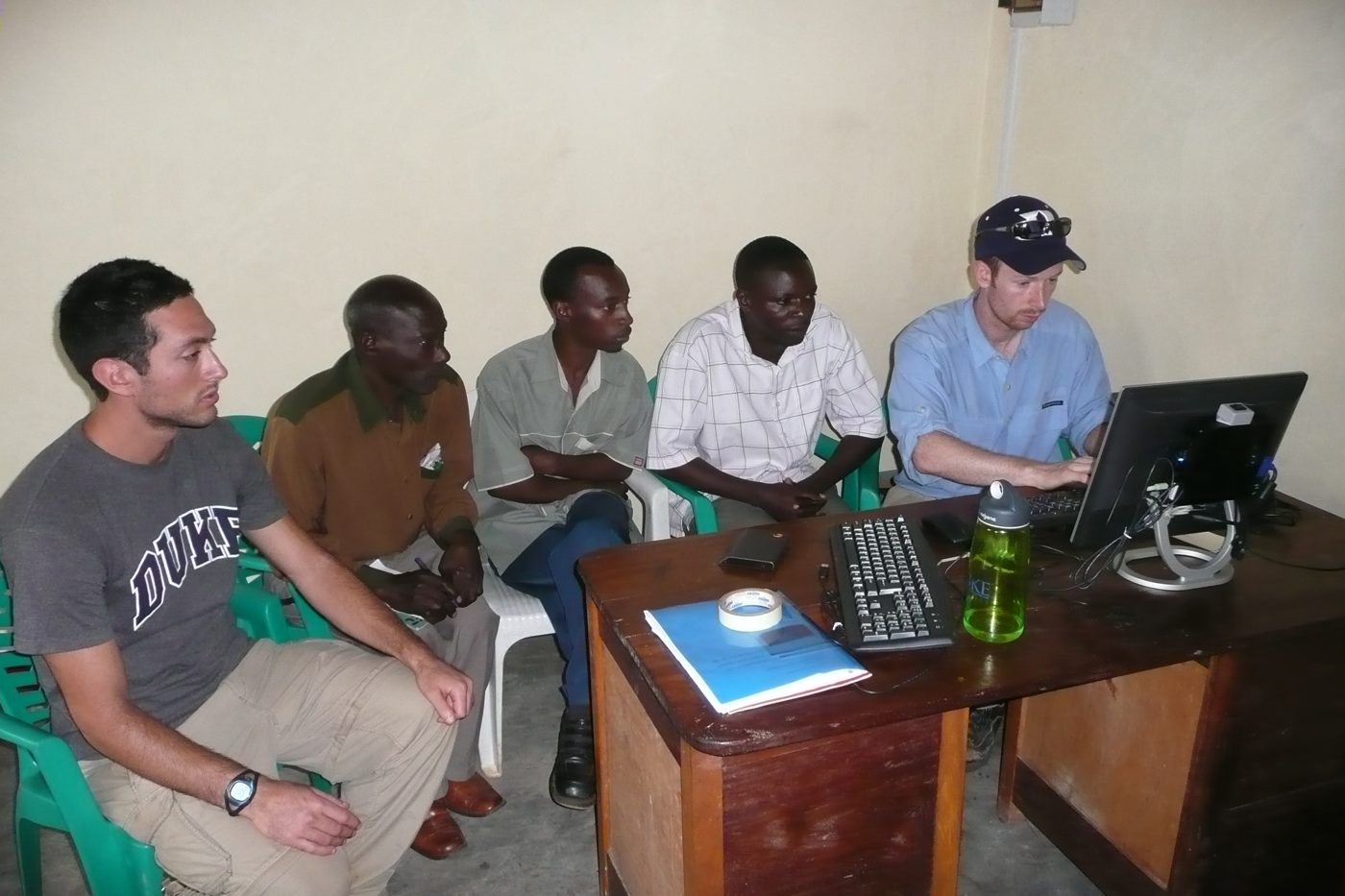
That summer the students who went to Nkokonjeru built on the centre. They set up an internet café, connected through a GPRS router on MTN's mobile network, which took in 200,000 Ugandan shillings in its first month, with half of its profits going to the system administrator. They also worked on a vocational school, jatropha oil, biomass charcoal, and coffee processing with a growers' association. The chapter's plans for 2008 to 2009 were rainwater harvesting and waste management for the town.
Sources: Lee's applications and letters from the Duke years, on Lee's Duke USB stick; the chapter's 2006 proposal to finish the resource centre and Lee's April 2007 narrative of the Uganda project; "Developing a resource center in rural Uganda: a Smart Home, EWB, RASD partnership", the 2007 trip report by Scott Steinberg, William Patrick, Lee Pearson and Tom Rose, from Lee's RASD folder; Duke EWB's "Summer Projects Presentation", 27 October 2008 (2008 projects and photos).
A nut sheller that de-pulps coffee
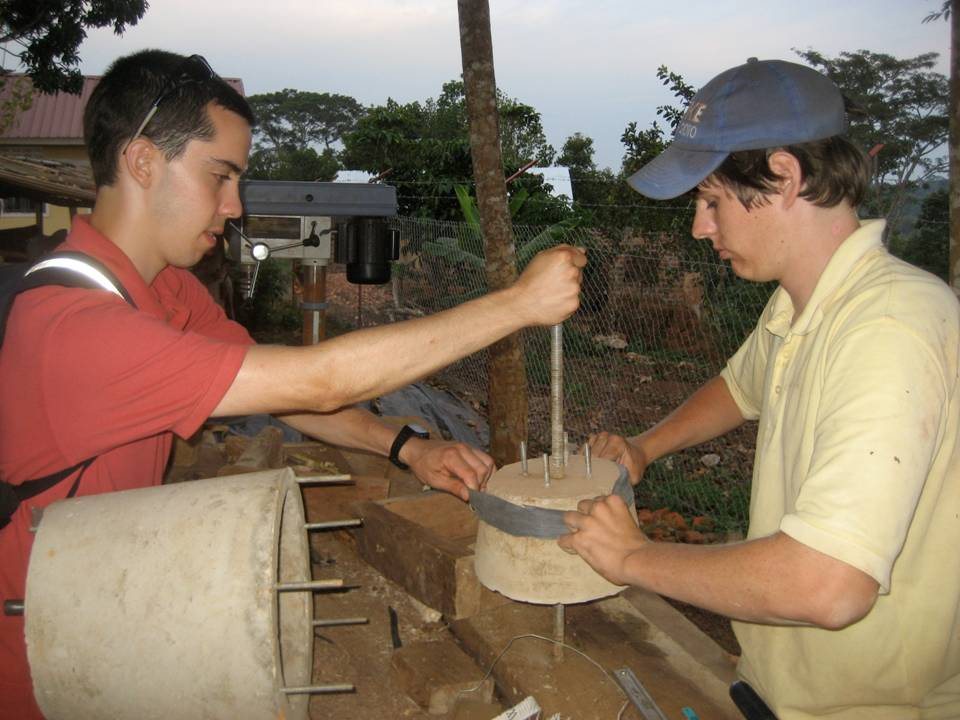
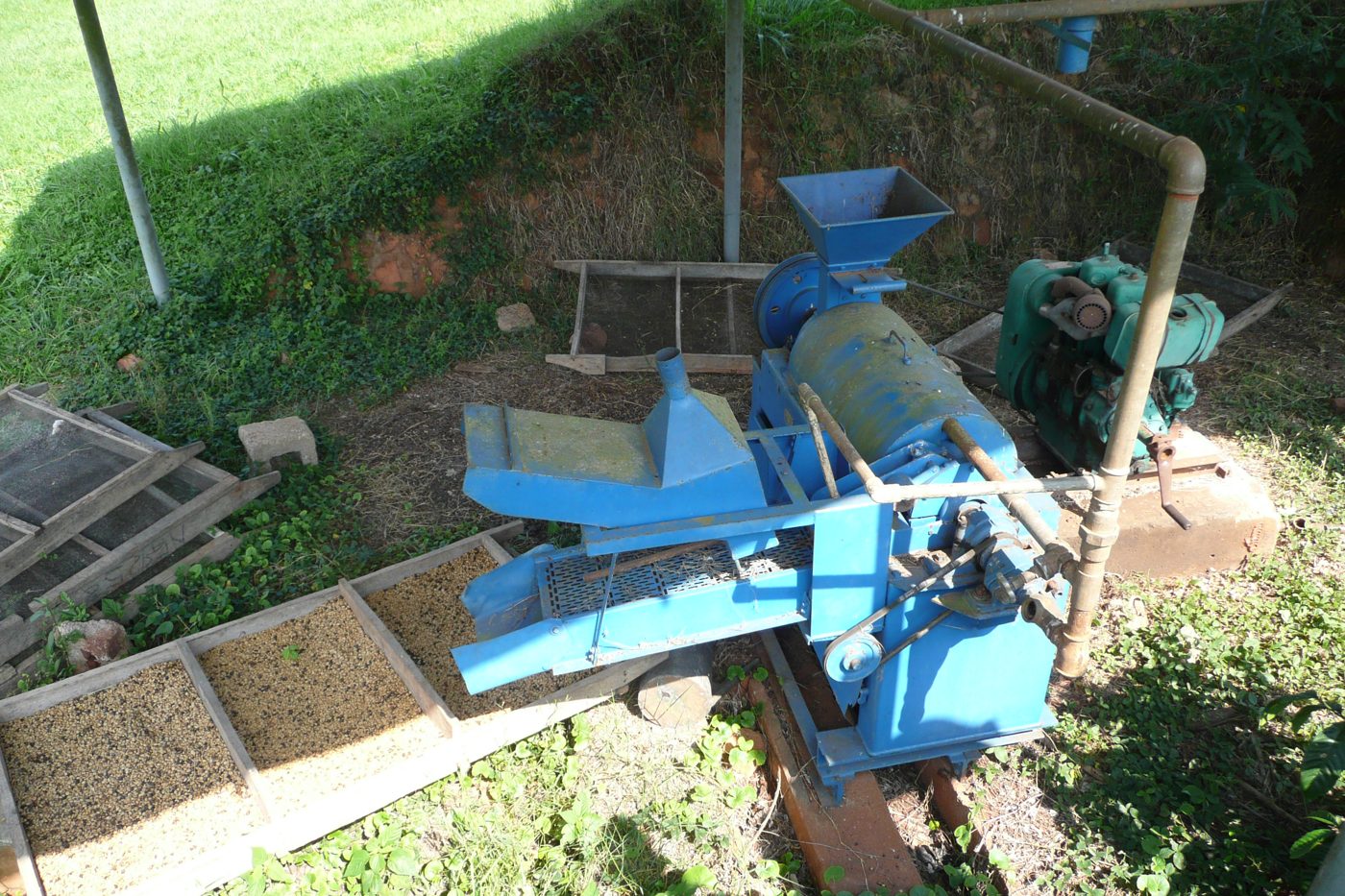
In 2007 Lee and Ignitius tested the Full Belly Project's Universal Nut Sheller and found it "worked quite well at de-pulping coffee". A coffee exporter in Kampala told them what that could be worth to a farmer. Pick a stage to see how far one sack of coffee can go. In 2007 Lee also took the sheller and coffee pulper to two student startup contests with the Full Belly Project, winning first place in the social enterprise track of Duke Fuqua's startup challenge and in the social track of UNC's Carolinas Challenge, and "winning funds for the construction of a sheller production center in Iganga, Uganda".
Quotes from Lee's November 2007 letter to the J.W. Saxe Memorial Fund. Multiples are per kilogram, as the exporter described them; one sack stands for the value of one sack of cherry.
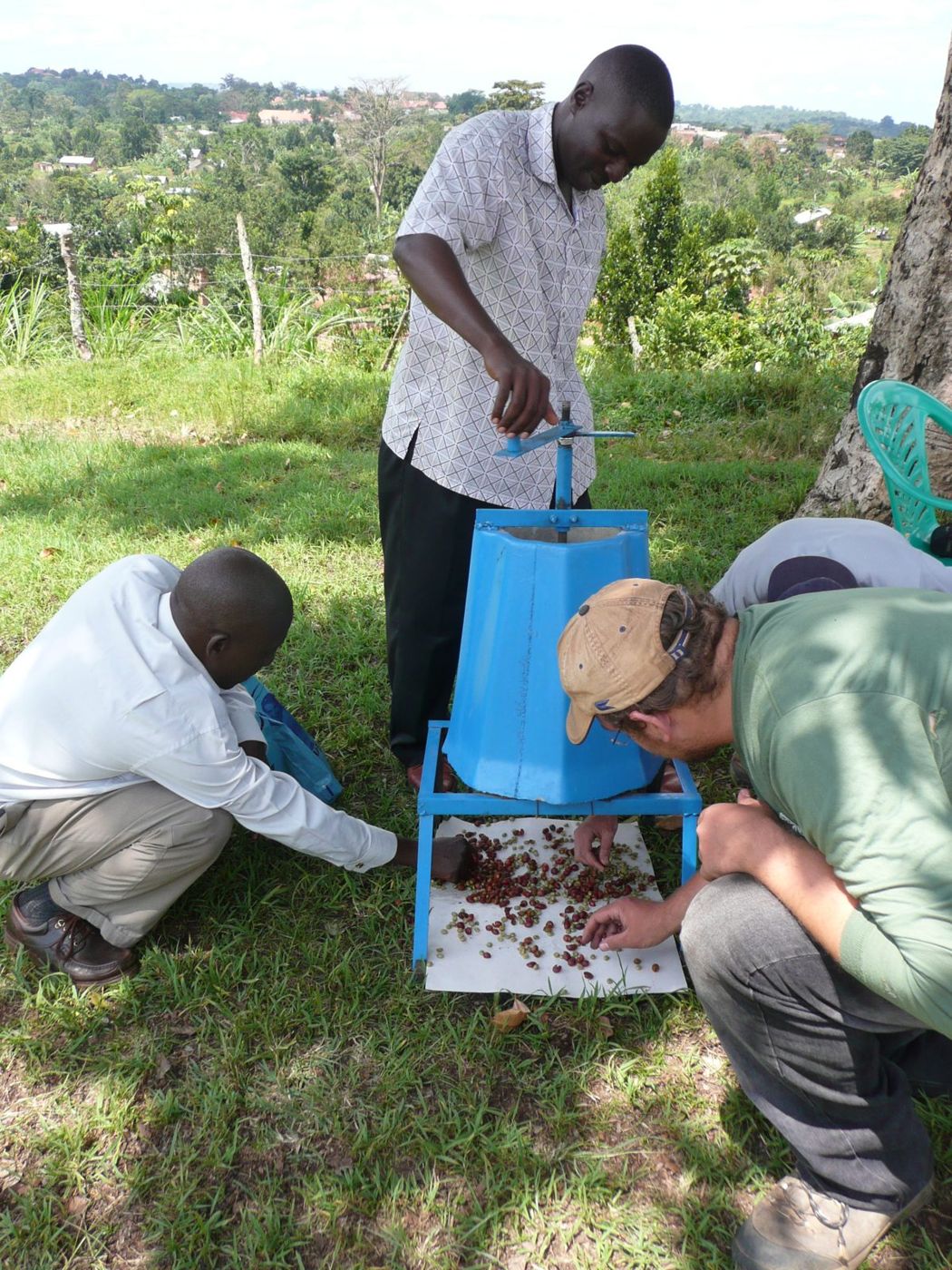
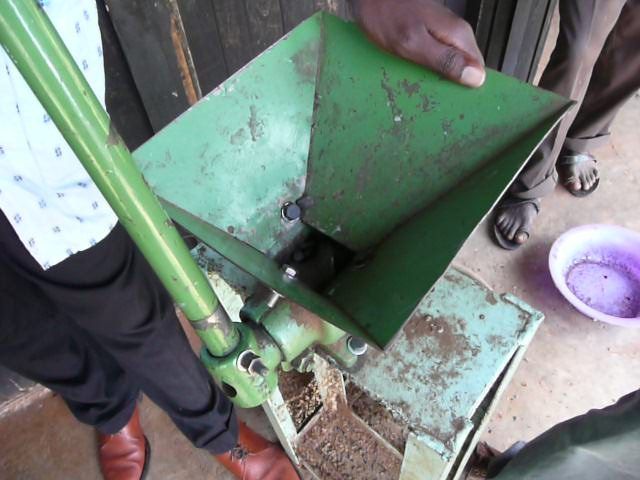
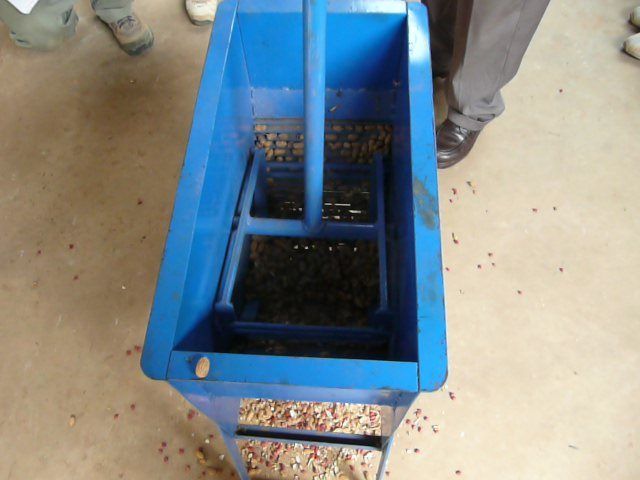
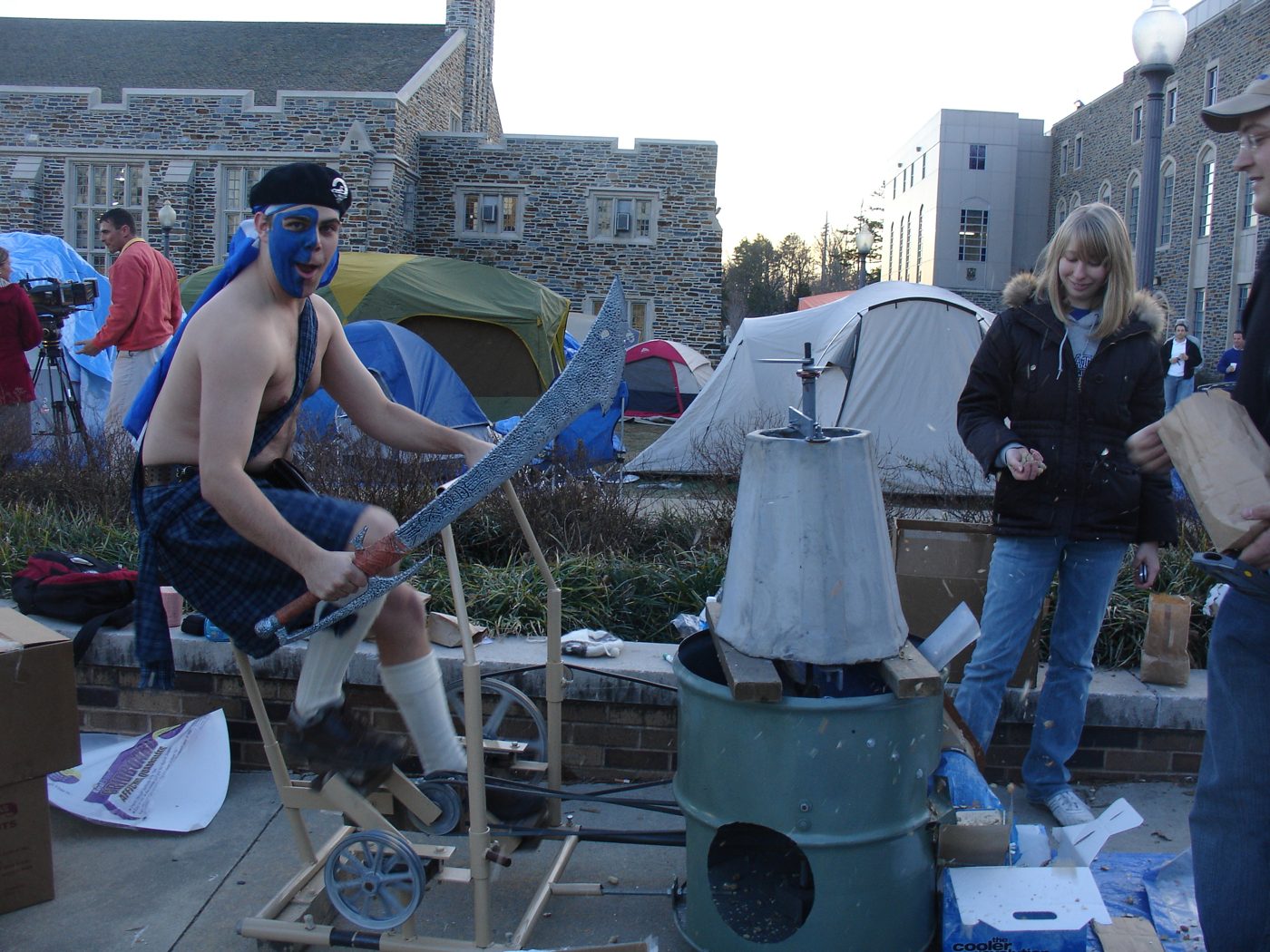
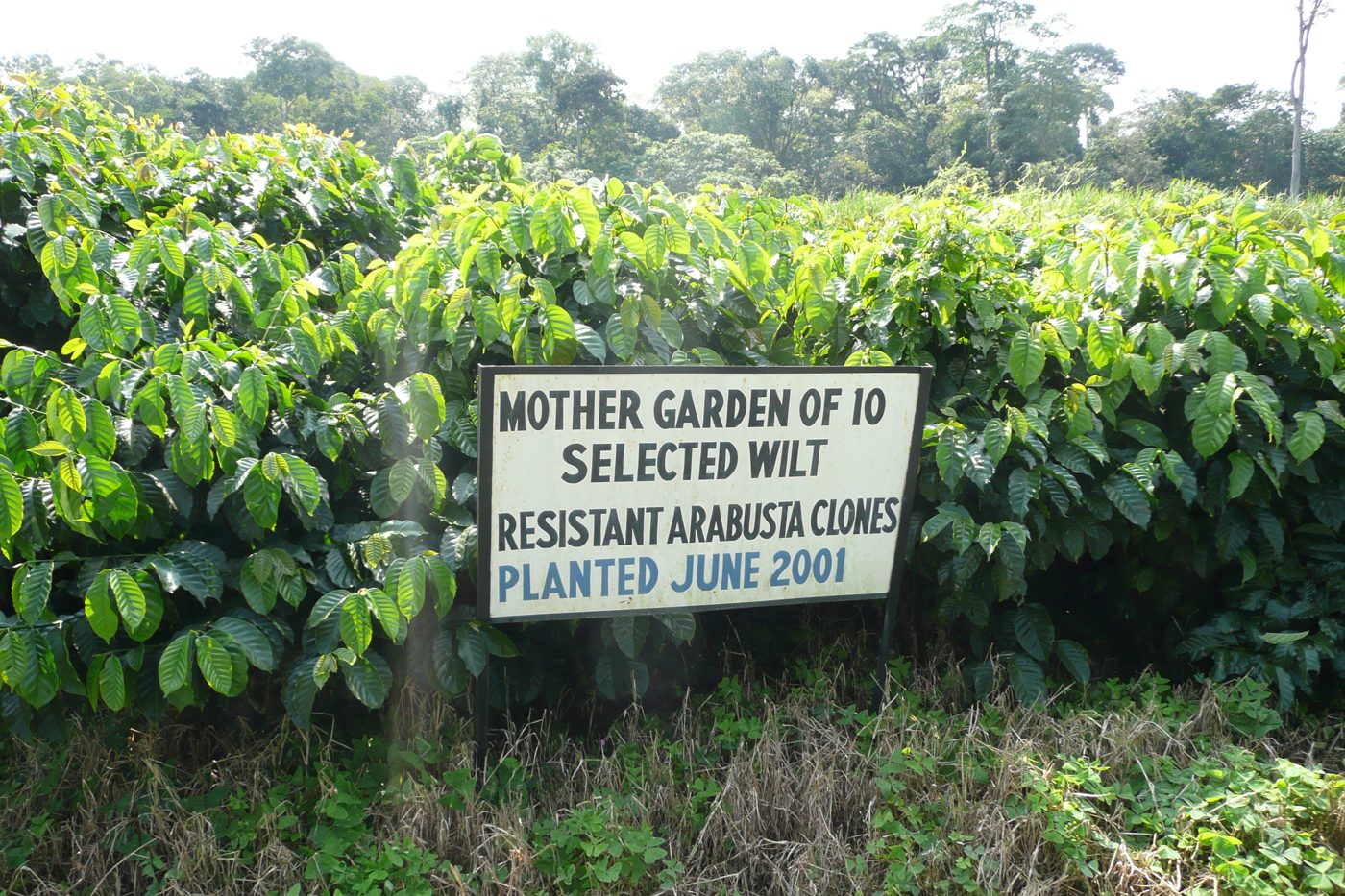
The same August the team toured a coffee research station, where the signs mark Coffee Research Centre (COREC) trials on spacing and canopy management and a "mother garden of 10 selected wilt resistant Arabusta clones", planted in June 2001. Coffee wilt disease was then destroying Uganda's robusta. The trip report records what the visit taught: coffee in the cherry sold for 100 Ugandan shillings and processed coffee for 700, but a small farmer without a diesel processor paid 600 to have it processed, "thus netting no profit". On 19 August Lee left a nut sheller with AEATRI, the government agricultural engineering institute near Kampala, which agreed to test it against its own rocker-style sheller, and Lee bought a rocker sheller to bring back to Duke. It is the first record of the crop that Lee's PhD fieldwork, the CABI coffee model and Buji's work in Uganda all came back to.
Ciudad de Dios, Peru, 2007: water for a valley village
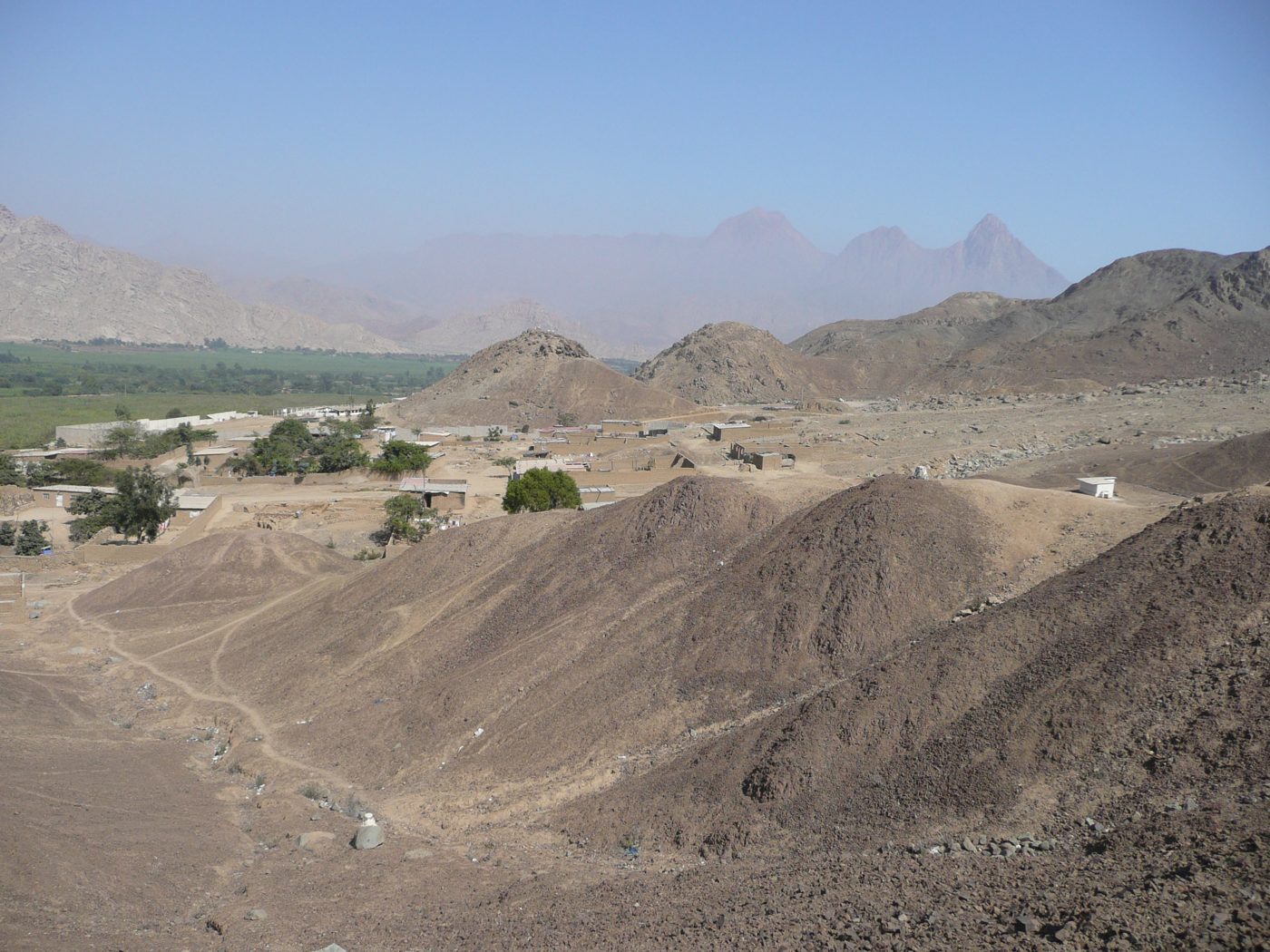
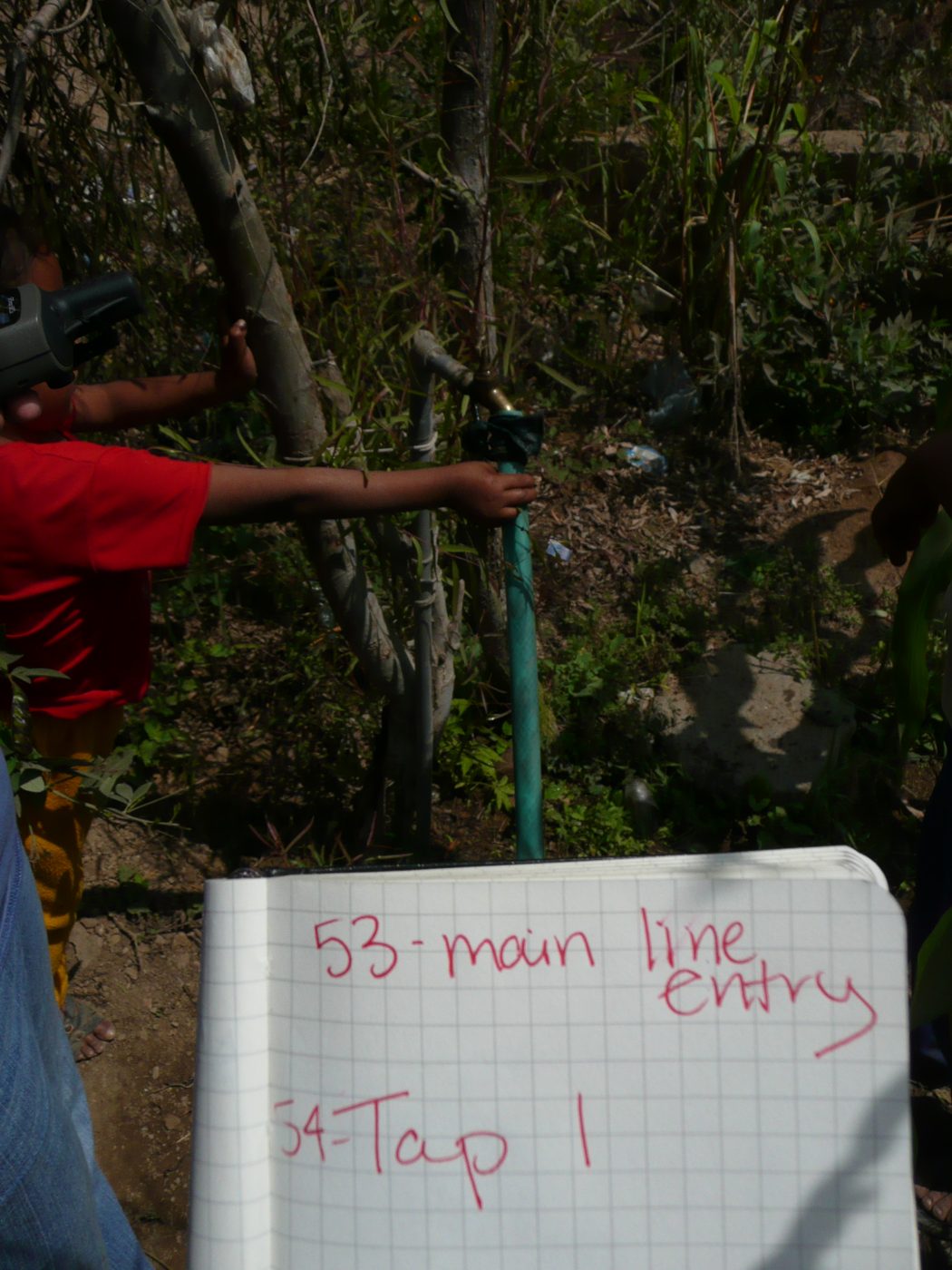
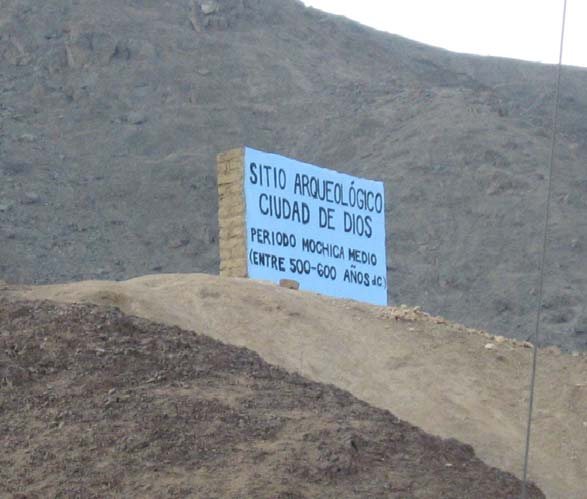
The chapter's second country was Peru. Ciudad de Dios is a squatter community in the middle valley of the La Libertad region, about 20 miles northeast of Trujillo, whose families had looked after a nearby archaeological site since 1998. In December 2006 UNC-Chapel Hill's EWB chapter proposed a water project there: about 60 households, roughly half with taps, all fed by a single 2-inch pipe from a well 4 miles away. When UNC's chapter came to Duke to discuss a partnership, Lee set up a joint venture between the two chapters, coordinated the site assessment and went on the 2007 trip with Maggie Hoff; the community named a better water system as its first need. In July 2007 the team walked and mapped the existing line, tap by tap, measured the slopes, and worked with the community to put in water storage and a way to measure the flow. That meant cutting into the line that was the village's only water supply. Hacksawing into it is the moment Lee remembers most: it was a big deal to him that the community trusted the students to do it. Two years later he opened his Berkeley graduate application with it: "I steadied the glimmering hacksaw blade on the dull grey PVC pipe. … Gush! Water sprayed wildly … I had successfully cut off the mainline to a community of around 50 families … They were now without water—well, at least for a few hours."
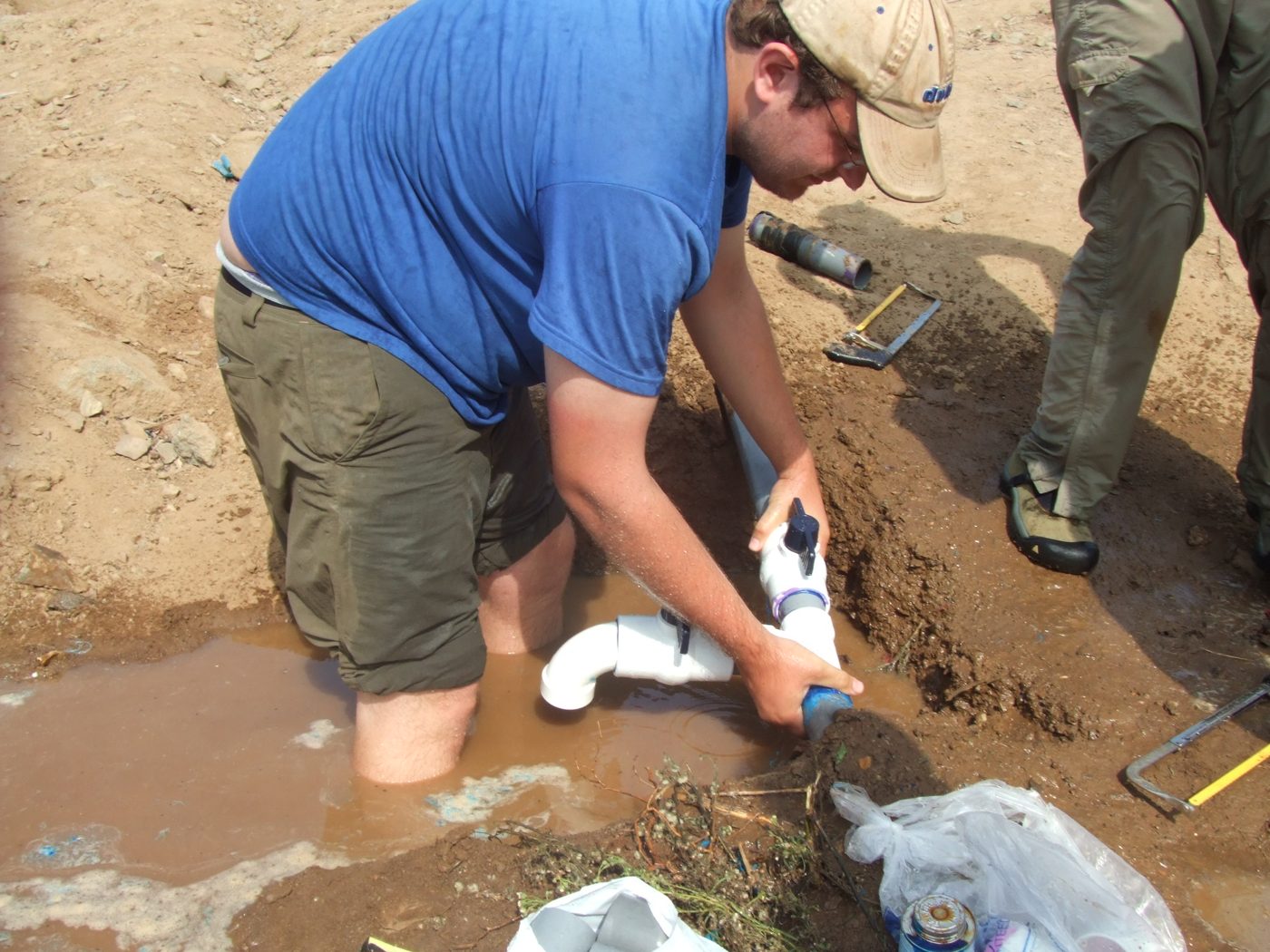
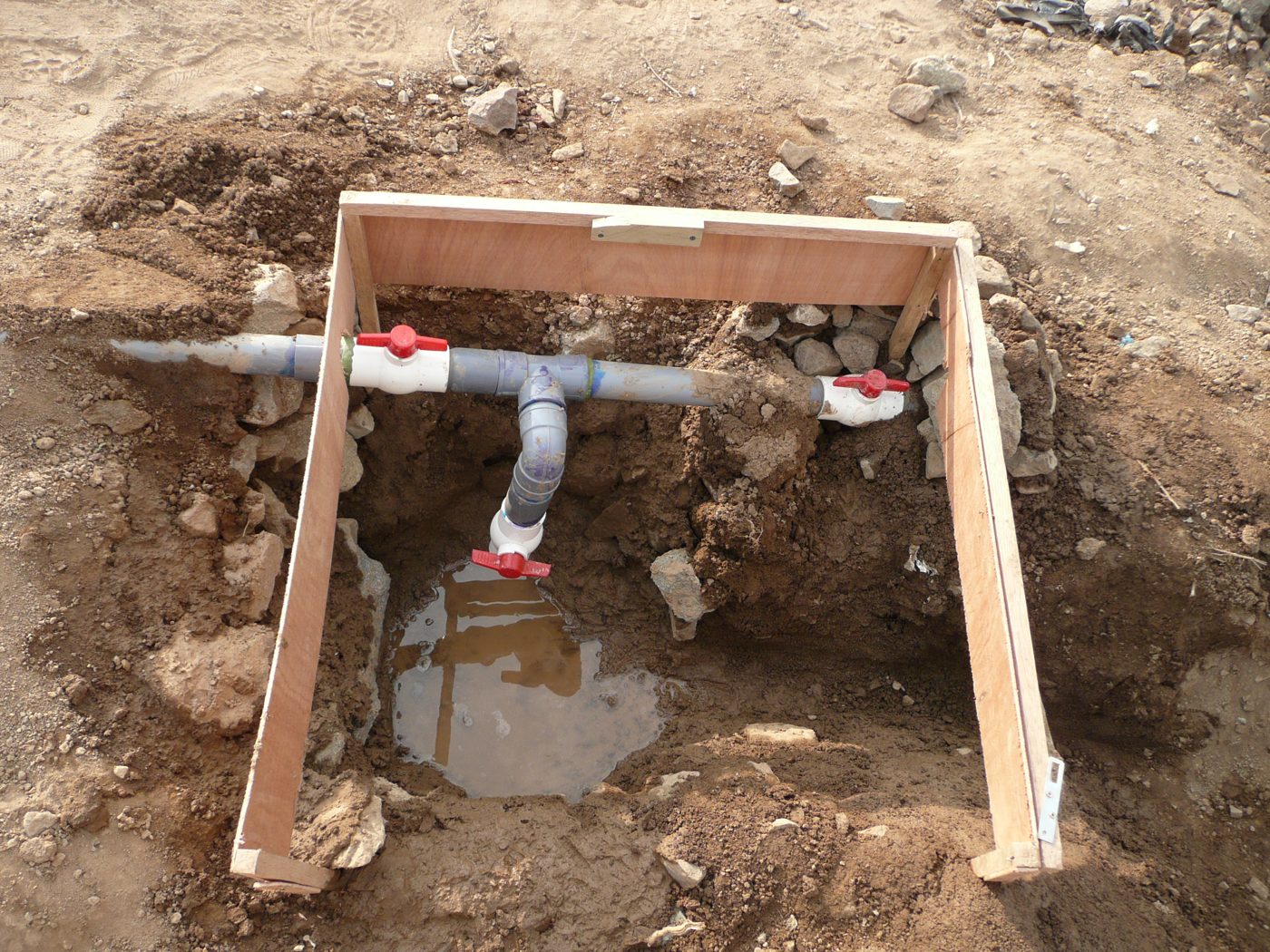
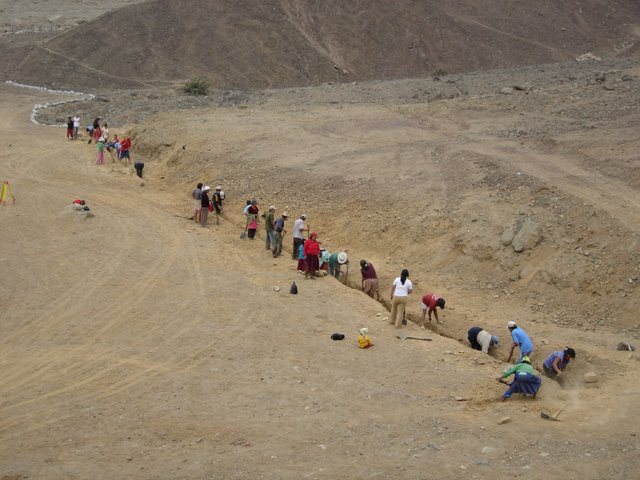
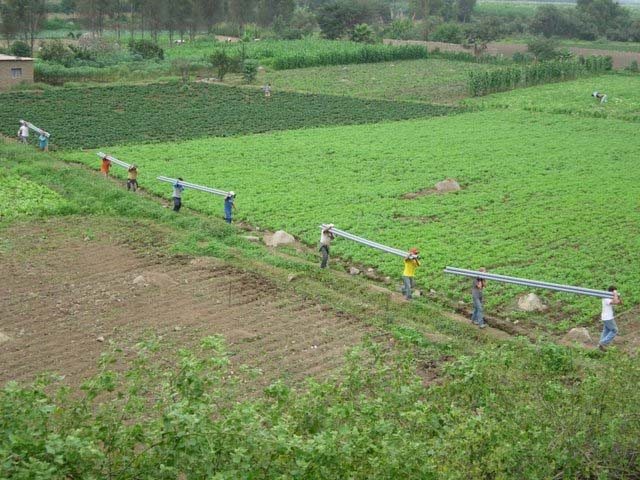
The next summer, from 19 May to 14 July 2008, after Lee had graduated, twelve Duke students (nine from Pratt, three from Trinity) went back to build it: a 3 km line, designed mostly by UNC EWB with Dr. Schaad and Maggie Hoff, laid with the community and MOCHE (Mobilizing Opportunities through Community Heritage Empowerment), the group led by UNC anthropologist Brian Billman. Pipes were carried by hand where cars could not reach, and the team also made signs for the archaeological site.
Sources: UNC-Chapel Hill EWB's project proposal for Ciudad de Dios (2 December 2006); Lee's Summer 2008 resume; Lee's 2009 statement of purpose for Berkeley's Energy and Resources Group; Lee's Peru photo folder, July 2007; Duke EWB's "Summer Projects Presentation", 27 October 2008 (2008 photos).
Closer to home, and further away
A playground for all
Duke Today's front page on 17 August 2006: "Duke engineering students help build a community play area for the disabled". Lee kept a screenshot of it, saved alongside an email titled "EWB In the News Once Again".
The T.A. Brown aerator
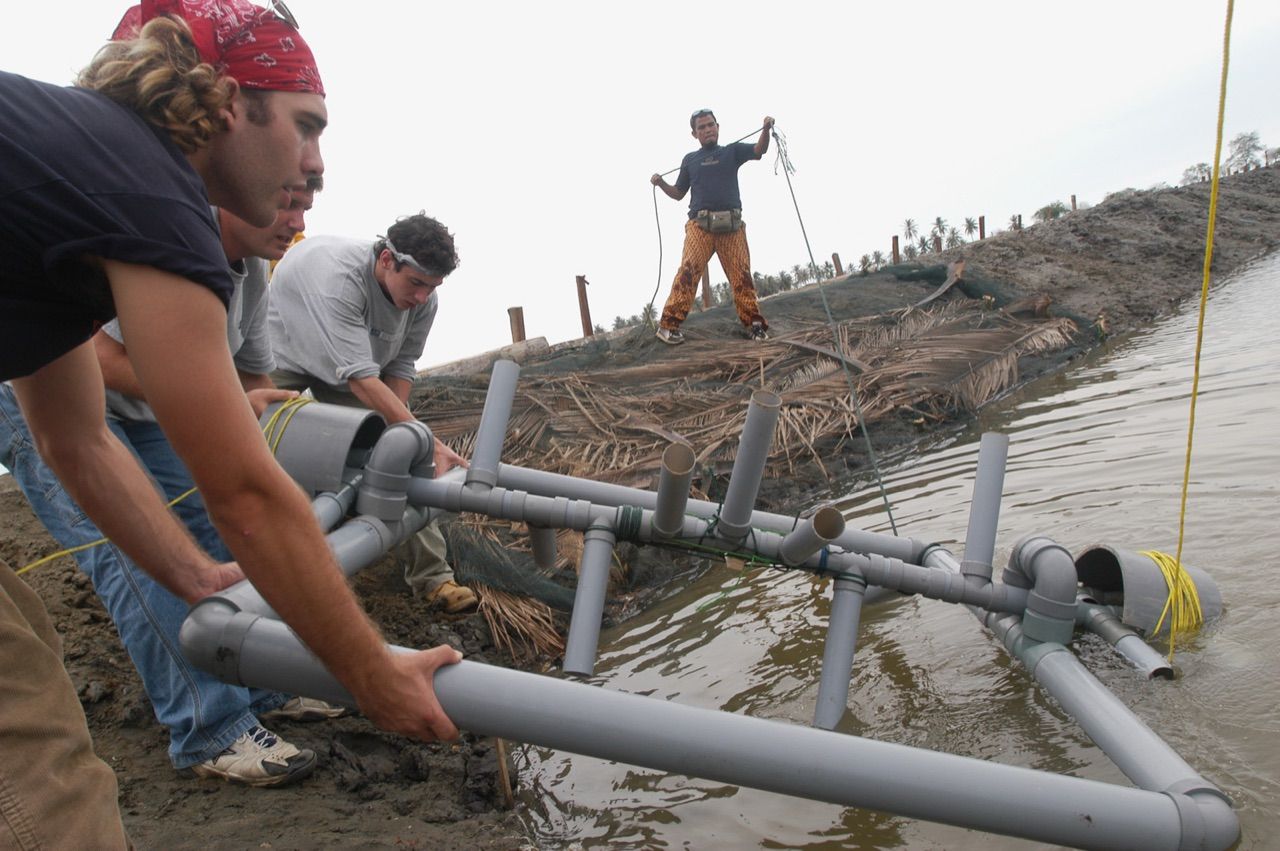
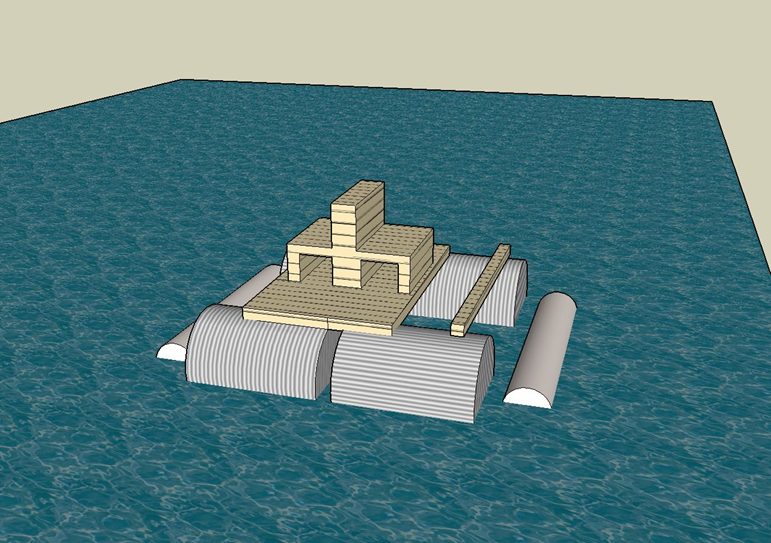
After the 2004 tsunami the chapter worked in Lamnga, Aceh, on low-cost aerators to restore shrimp ponds. The first trip, in August 2005, took one of the first human-powered PVC aerators, funded by the Lord Foundation. "My freshman year, I worked on a research team designing a mechanical aerator," Lee wrote. Lee wasn't on the 2005 trip but worked on the follow-on: a pedal-powered aerator on a floating platform of 55-gallon drums, meant to cost under $50, which Lee drew up in January 2007 and planned to test in a pond at Sarah P. Duke Gardens. Lee also wrote its 2007 grant and award applications. It won an EPA P3 Phase I grant, one of 10 honourable mentions in Washington, DC, and first place for appropriate technology at the EWB international conference (both April 2007).
The first coastal work
The aerator was Lee's first work on coastal aquaculture and livelihoods after a disaster. It is an early thread to Wovoka's blue carbon projects, which restore mangroves on abandoned fishponds.
Sources: Lee's resumes (Feb 2007, Spring 2008), grant and award applications, the aerator team's 2007 narrative, summary deck and research proposal, and EPA grant SU833149.
Song Buddy: teaching a computer to hear a zebra finch
From freshman year, Lee worked in Dr. Richard Mooney's neurobiology lab, which studies how young songbirds learn to sing. Every recording had to be cut into syllables and labelled by hand before anyone could analyse it. Lee wrote Song Buddy, a Matlab program that automated the song analysis, "resulting in a 75% decrease in processing time".
Label the song yourself
0 of 0 labelledA zebra finch sings the same motif again and again. Pick a letter, then tap each syllable that matches it. Then let Song Buddy try.
A simulated spectrogram drawn for this page, not lab data. The original program and recordings stay with the lab.
A first coding project, 2004
Lee made this video for a computer science project in freshman year, autumn 2004, the same year Lee started coding in the songbird lab.
Coding as a research tool
Three years of lab work and a lot of coding, starting as a first-year student. The habit stuck: the PhD later rested on a hand-built database of 8,487 trade regulations, and the CABI coffee model was a simulation run thousands of times.
Woods Hole
Building on the Mooney lab work, Lee spent the summer after freshman year at the Marine Biological Laboratory in Woods Hole, Massachusetts, as course assistant for Neural Systems and Behavior, a training course for graduate students, setting up their experiments. Lee made "electrophysiological recordings from the stomatogastric ganglion (STG) of the crab" and ran experiments on zebra finches and leeches.
More than code
By early 2007 Lee had been in the lab "for 2.5 years now programming in Matlab to speed data processing, and doing essential lab tasks such as: histology, tissue plating and staining, song processing, and bird care." Lee also did "a small part of a project studying dendritic complexity" with a Sholl analysis "comparing female and male nucleus XII neurons", the brainstem nucleus that drives the bird's vocal organ.
Ten hours a week, on top of everything
Lee described one semester like this: "taking six classes with permission from a dean since the normal course load is four, leading Duke EWB, working as a Resident Assistant for 24 freshman guys, working ten hours a week in a birdsong neurobiology lab", plus a WERC arsenic-removal entry and Habitat for Humanity.
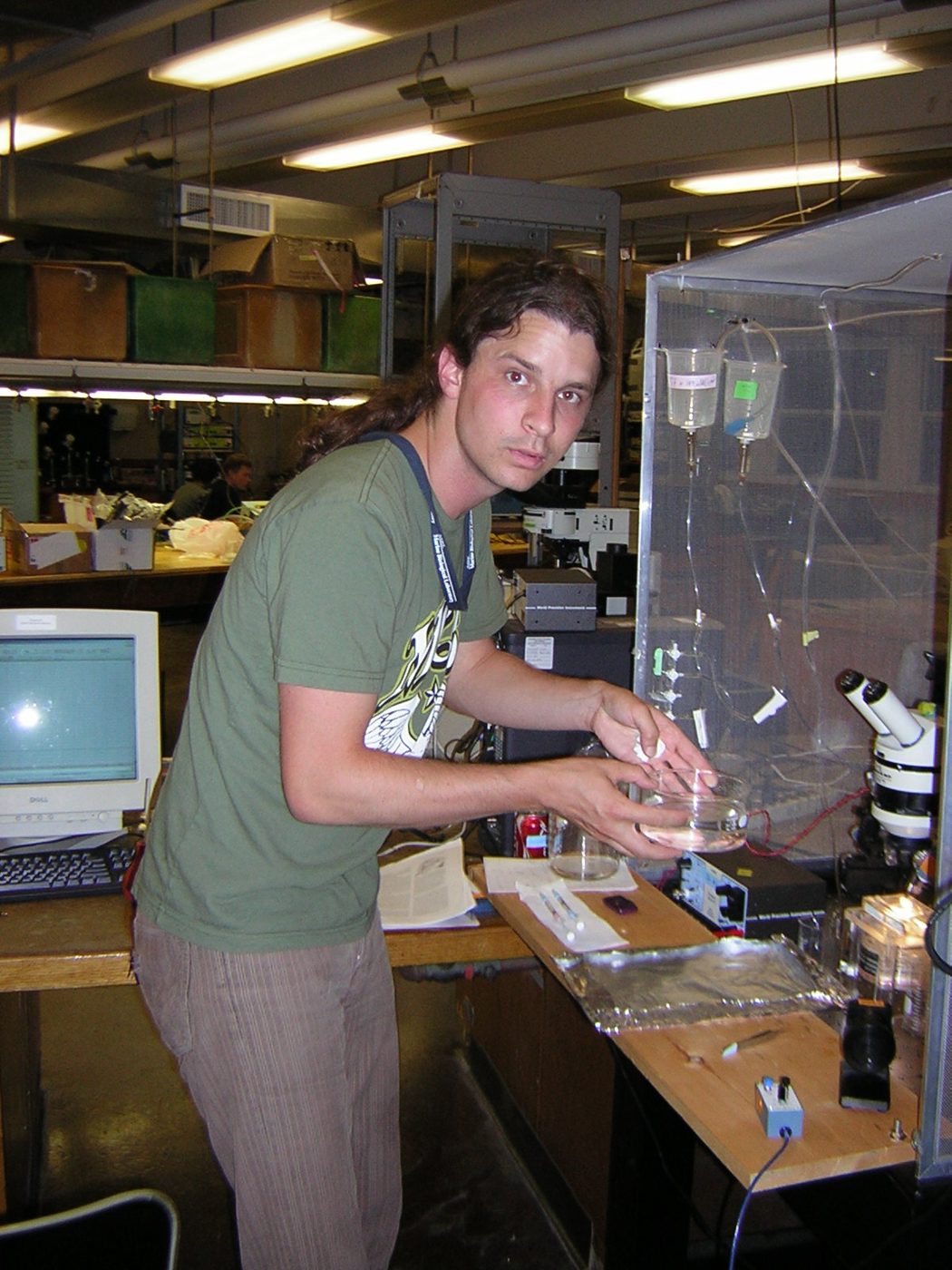
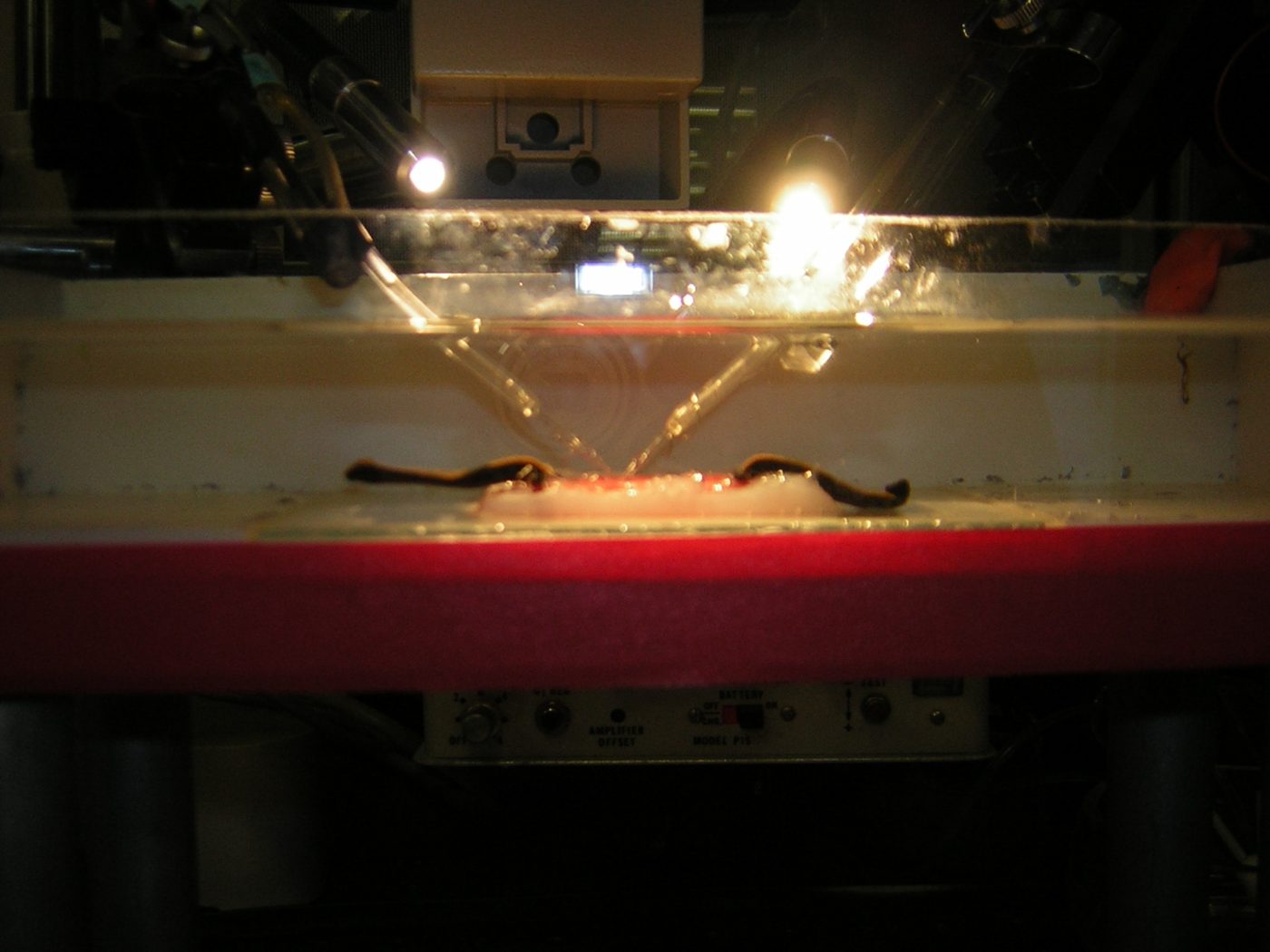
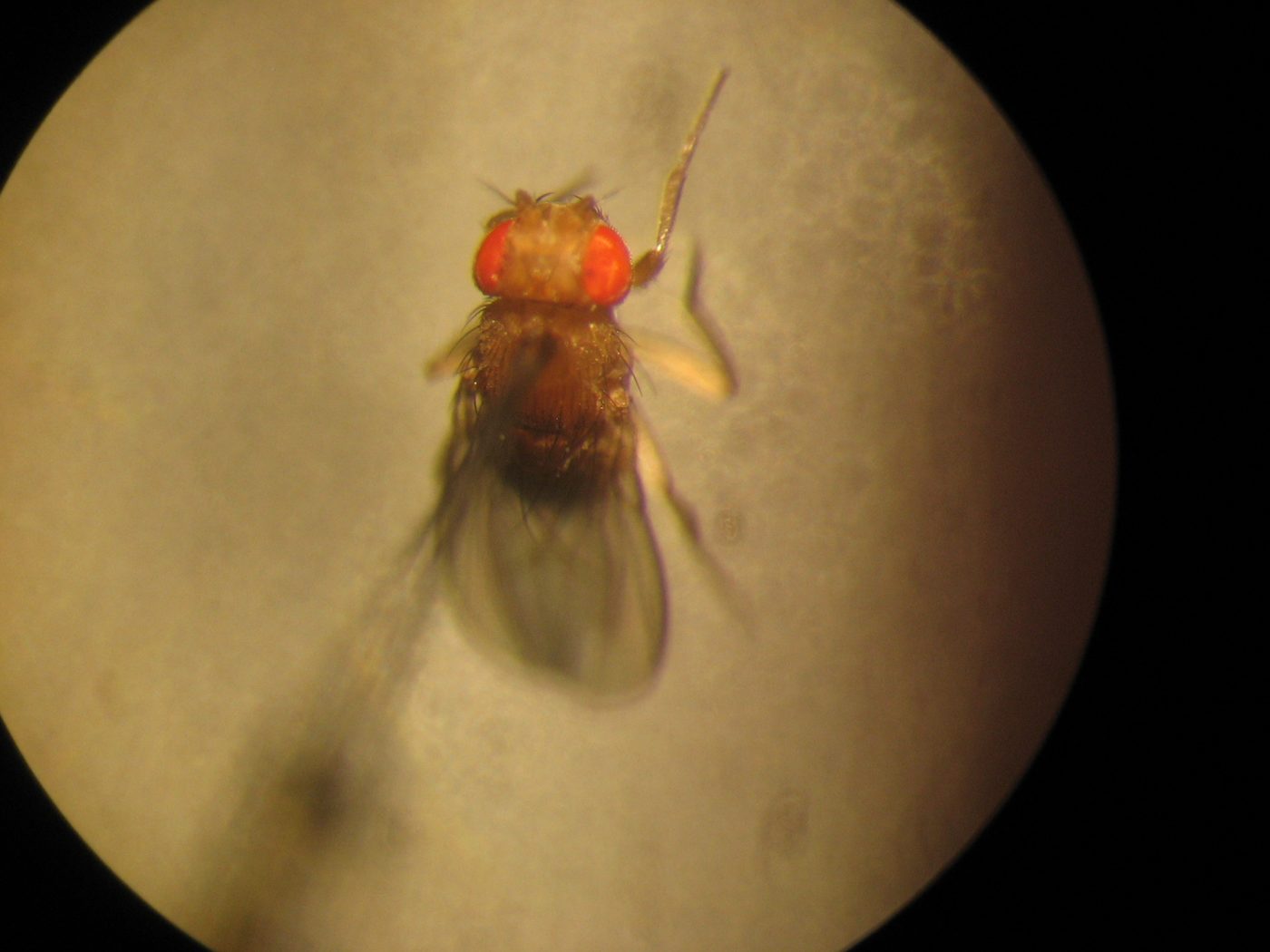
Sources: Lee's February 2007 resume (Mooney lab, Aug 2004 to Dec 2006; Woods Hole, summer 2005), Lee's account of the course, Lee's Woods Hole photo folder (June to July 2005), and Lee's 2007 marine fellowship application and Truman Scholarship essays, from Lee's Duke USB stick.
Is algae biodiesel actually cleaner? A senior thesis in life-cycle accounting
From January 2007, Lee was a Pratt Fellow in Dr. Claudia Gunsch's lab in Civil and Environmental Engineering, first on detecting mycotoxins in the environment, aimed at a commercial biosensor, and then on the senior thesis: "A Life Cycle Assessment of Algal Biodiesel as a US Transportation Fuel Stock". In 2008 it won the department's Eric I. Pas Award "for conducting the most outstanding independent study project", and Lee graduated with departmental distinction for it.
The question
Transportation was 27% of US greenhouse gas emissions. Algae can be close to 50% oil and yield hundreds of times more oil per acre than oil crops; the US government's Aquatic Species Program screened 3,000 species down to 300 between 1978 and 1996. Five companies were racing to make algal diesel, none yet at commercial scale. But a fuel that looks clean at the tailpipe can be dirty upstream, the way hydrogen can be made from methane. The only honest test is the whole life cycle, from growing the feedstock to burning the fuel.
Lee used Argonne National Laboratory's GREET model (version 1.8b, March 2008), the standard for fuel life cycles, under the ISO 14040 and 14044 standards.
Diesel against biodiesel, mile by mile
Pick a measure. Bars split each fuel into growing or extracting the feedstock, making the fuel, and burning it in the car.
Numbers from the results slide of Lee's March 2008 deck: GREET 1.8b, a diesel car (CIDI) on low-sulphur diesel against the same car on 100% biodiesel (BD100) from GREET's standard oil-crop pathway. Running the model for algae was the next step the deck set out.
Why algae, in one picture
The deck's comparison of the land it would take to meet US transport fuel demand, as cited from University of New Hampshire work. Each square is drawn to scale.
Where it went next
Count everything, upstream too
The deck's conclusion was a plan: finish the inventory of inputs for algae, change the model's growth stage for algae, and run it. The same instinct, measure the whole system and not just the visible part, led to the MSc on virtual water and the MPhil on household water footprints.
Mentors
The deck thanks Dr. Claudia Gunsch and Dean Absher. Lee's graduation speech thanks the Civil and Environmental faculty by name: Dr. Schaad, Medina, Nadeau and Gavin, the Pratt professor who that year became the first engineering winner of Duke's Alumni Distinguished Undergraduate Teaching Award.
Source: "Life Cycle Assessment of Algal Biodiesel as a Transportation Fuel Stock", Lee Pearson, Pratt Fellows presentation, Duke University, 26 March 2008; Lee's resumes (2007, 2008) and CV.
Dalian, Aalborg, Las Cruces and a concrete canoe
Between the lab and Uganda, Lee spent a summer doing research in China, represented Duke at an international student exchange conference in Denmark, was among the first residents of Duke's Smart Home, and competed with engineering teams across the US.
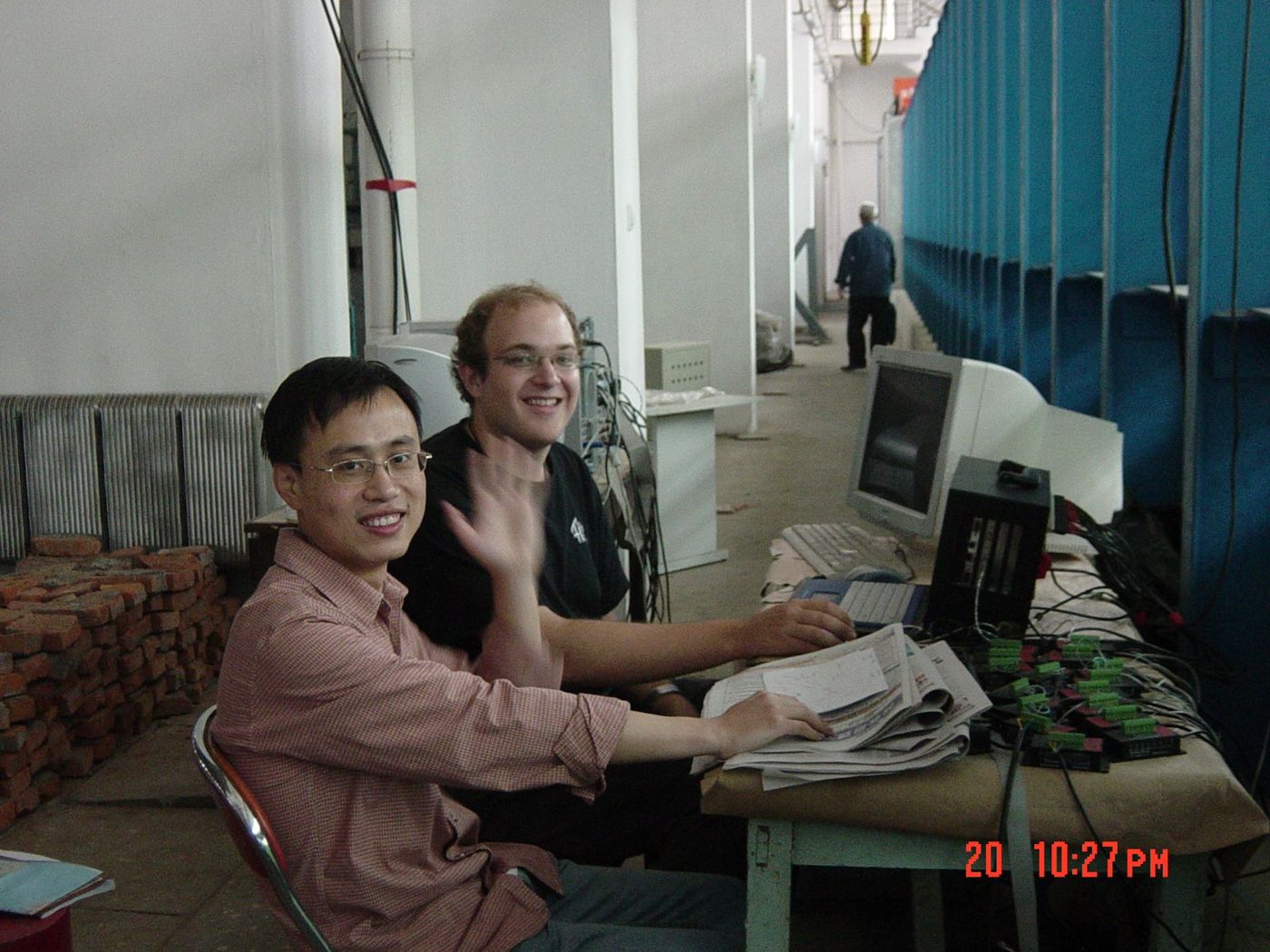
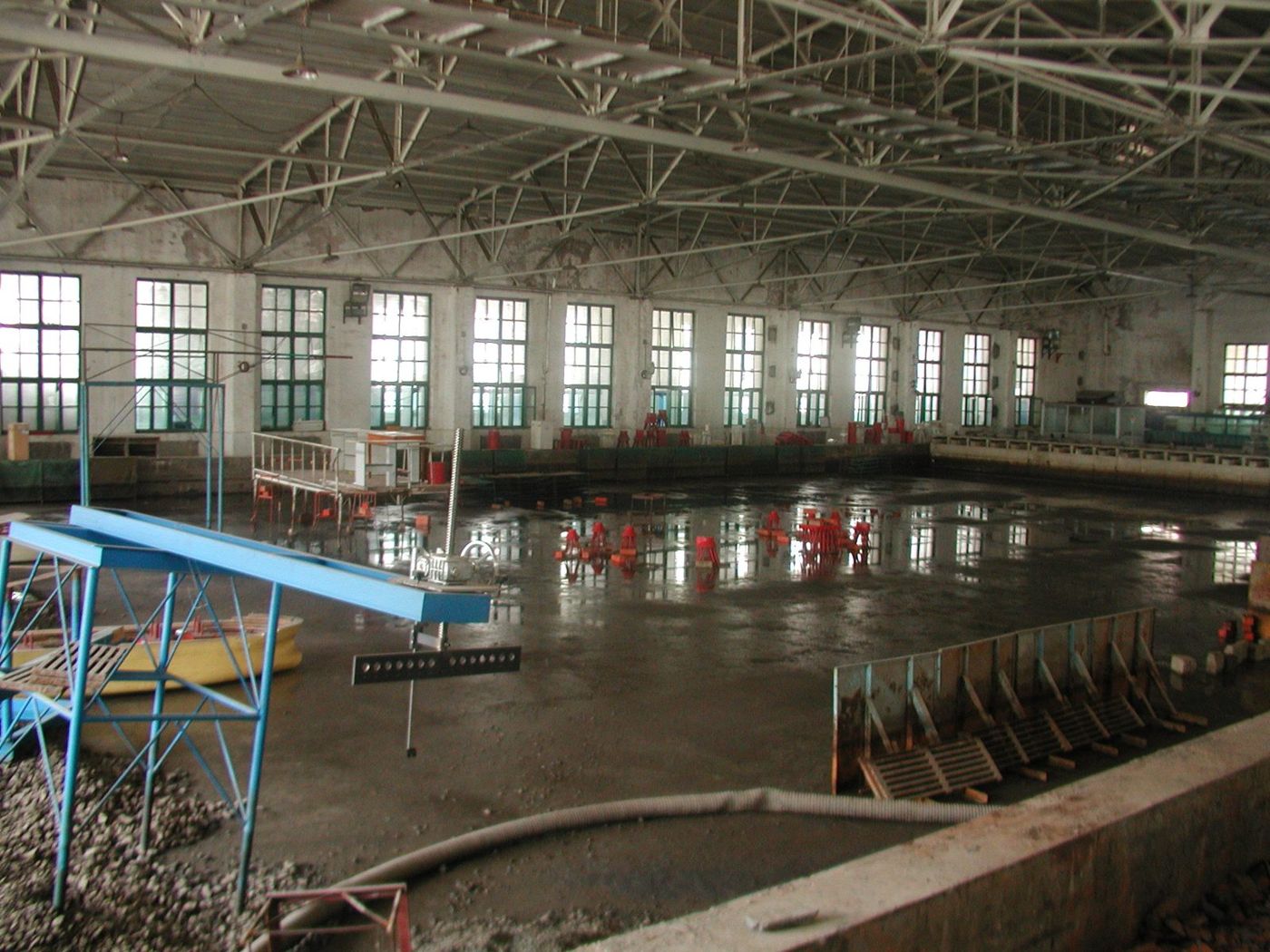
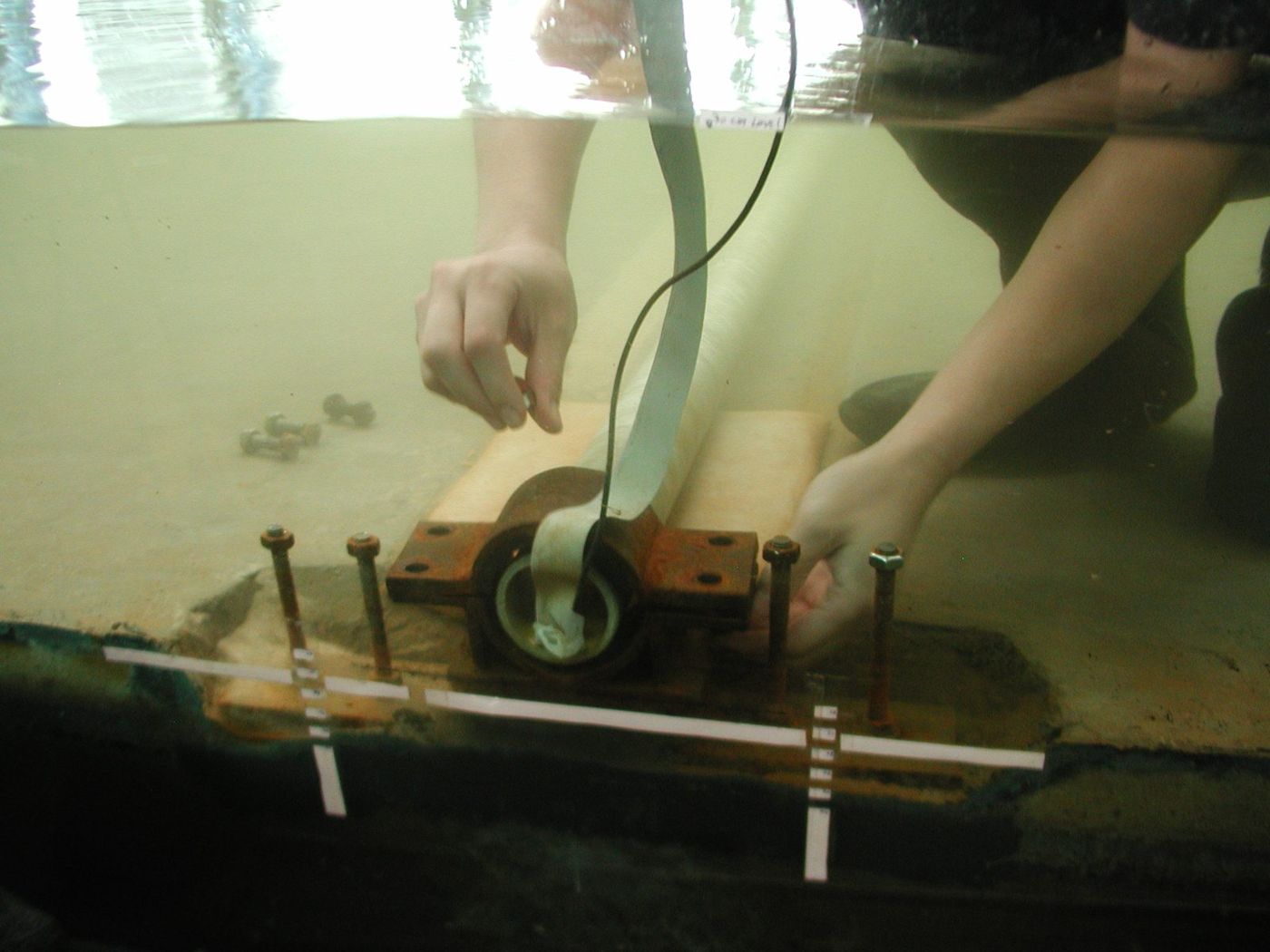
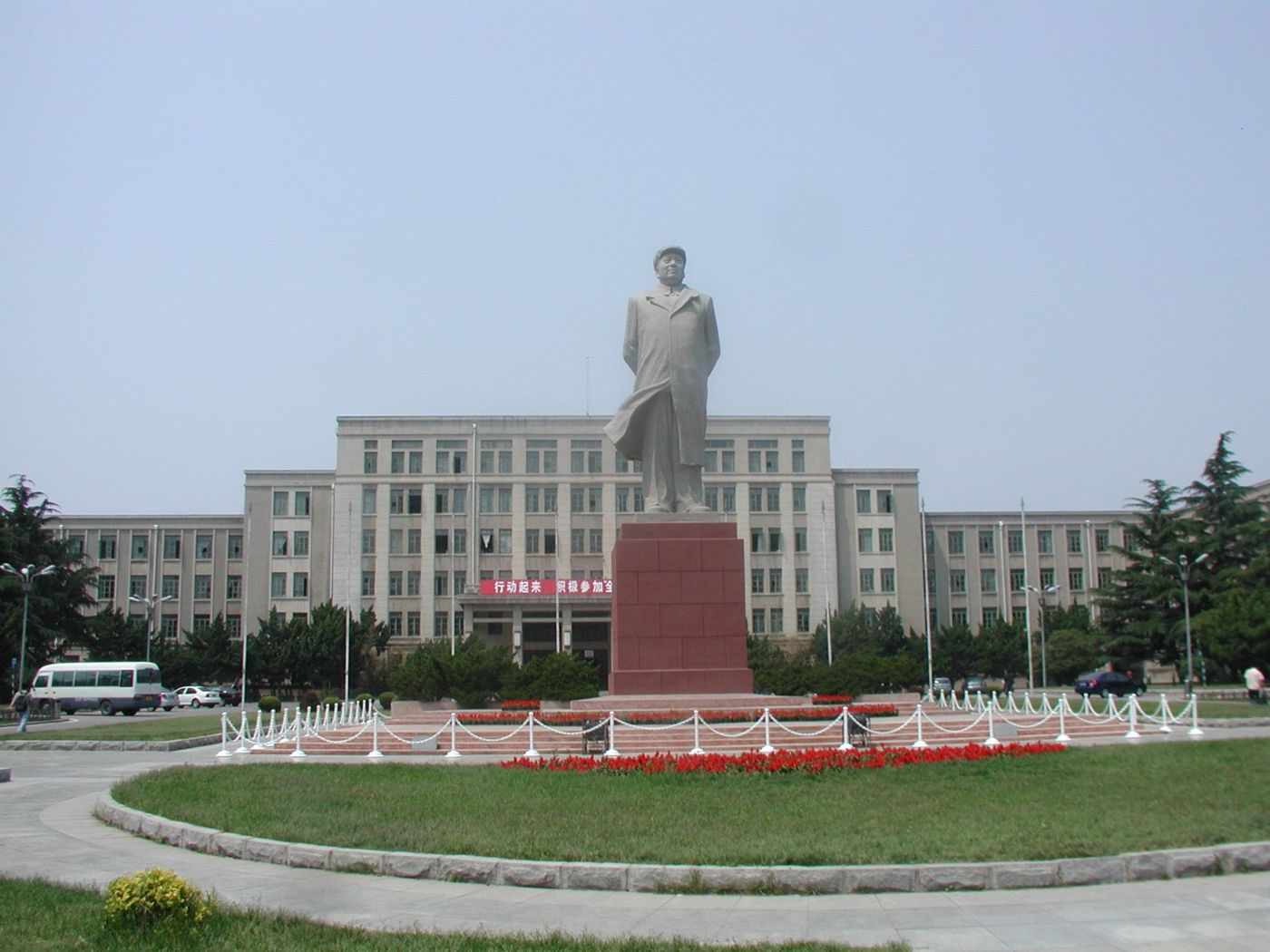
Dalian University of Technology, summer 2006
An NSF-sponsored REU (Research Experience for Undergraduates) in Marine Science and Engineering: a ten-week research project on pipeline spans and their dynamic response, run in the university's long wave flumes with a scale pipe model and Chinese research partners.
IAESTE, Aalborg, October 2006
As president of Duke's chapter of IAESTE, the international exchange for engineering and science students, Lee was one of three US representatives at its international leadership conference in Aalborg, Denmark, a trip of about ten days.
Population dynamics, January 2007
In October 2006 Lee applied for a week-long course, the 2007 Marine Resources Population Dynamics Workshop run by NOAA's National Marine Fisheries Service with Virginia Tech, 6 to 12 January 2007. Lee went: it was held at the Mote Marine Laboratory in the Florida Keys, as he wrote that April. The application gives the reason: "I have not had much formal training on marine population dynamics", with developing nations depending on fish and the US and Japan "overfishing dwindling worldwide fish stocks".
The Home Depot Smart Home, 2008
Duke's Home Depot Smart Home is a house that doubles as a lab: students live in it and test new energy, water and building technology on themselves. Home Depot's sponsorship was "valued at an estimated $2 million in cash and in-kind donations". Construction finished in fall 2007, and in January 2008 the first ten student residents moved in. Lee was one of them, ran experiments in the house with the others, and was its Resident Assistant in his senior year. The link went back further: the solar computers the EWB team installed at RASD in 2007 came through a collaboration between EWB and the Smart Home programme.
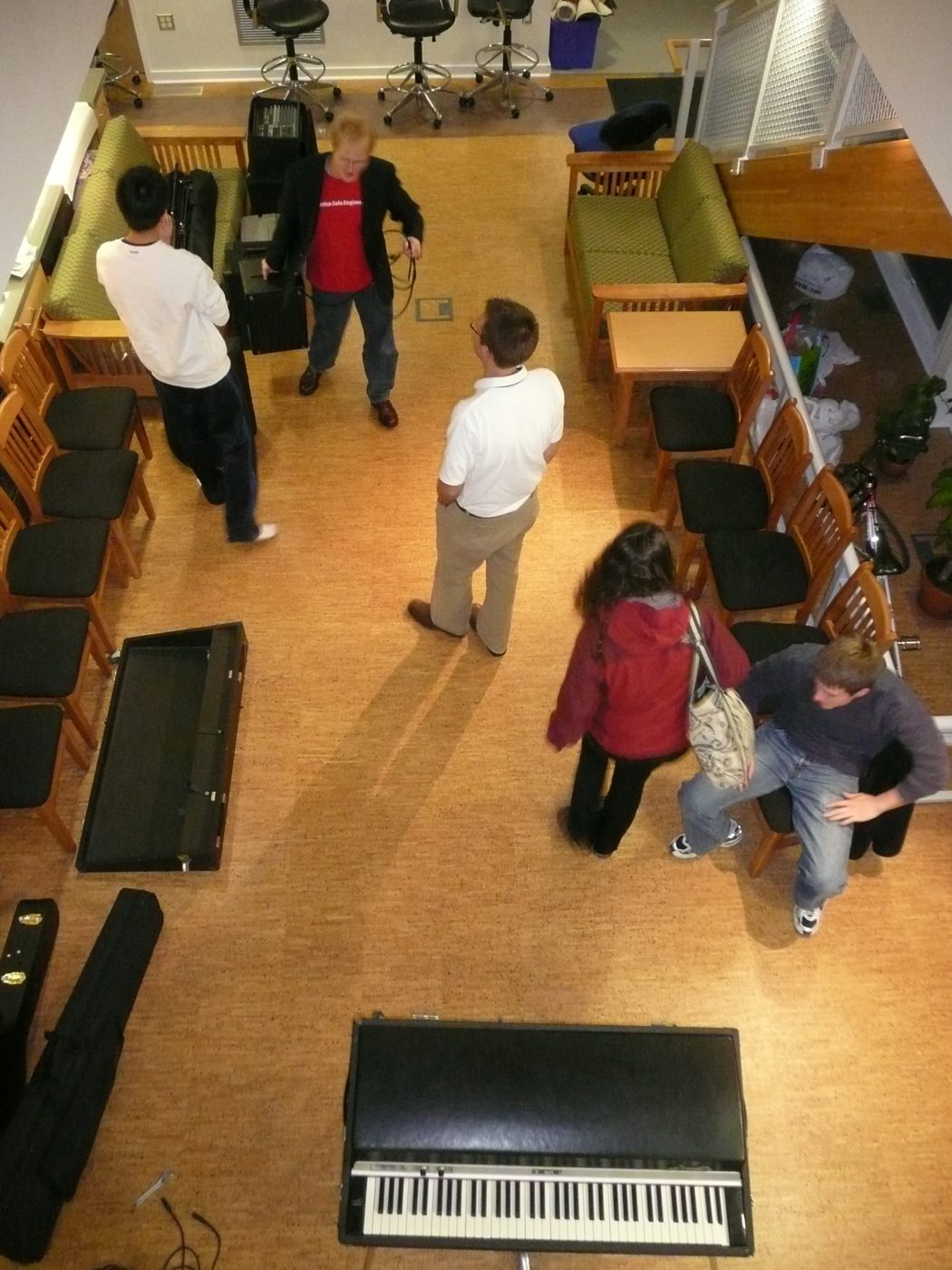
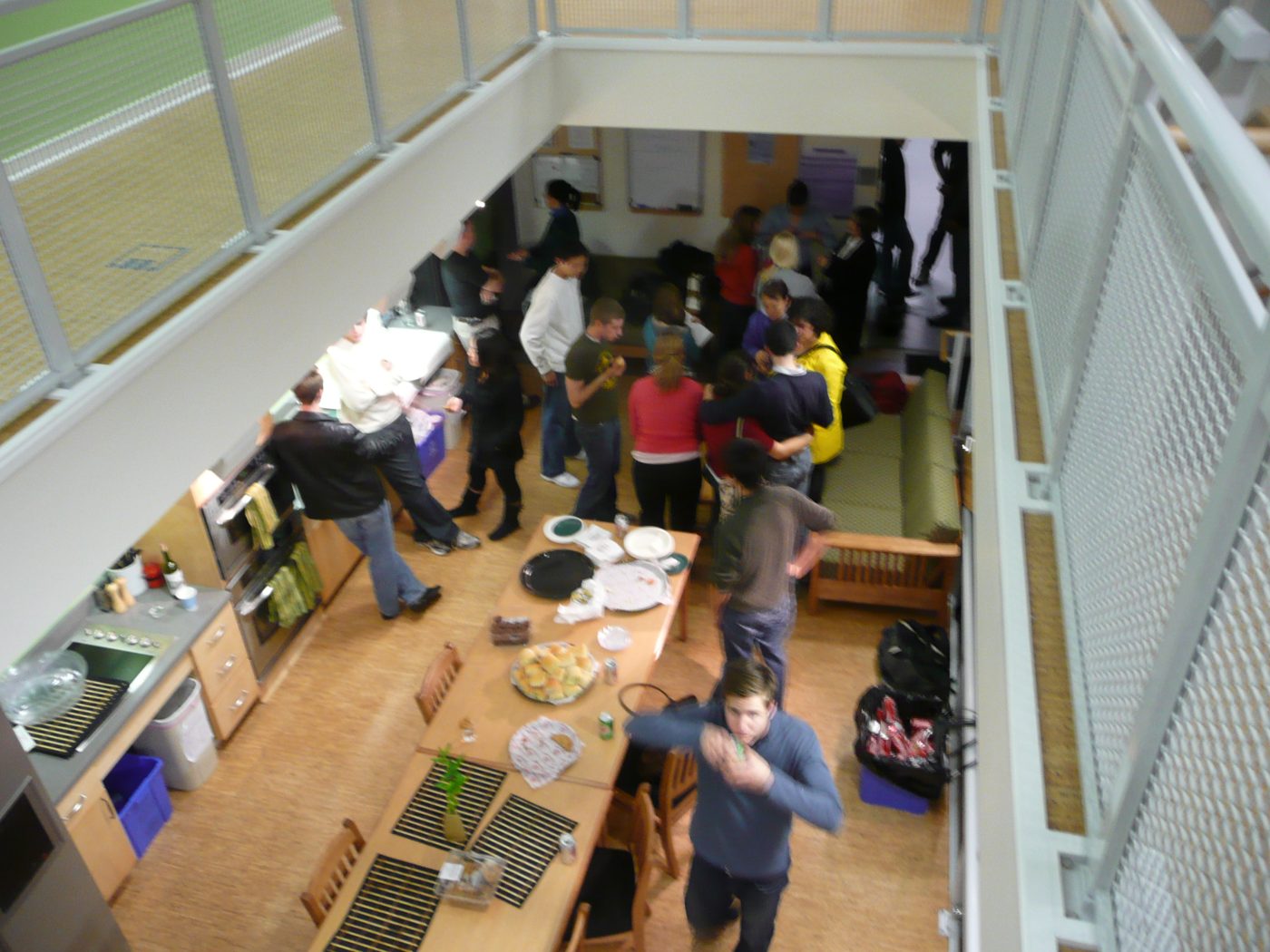
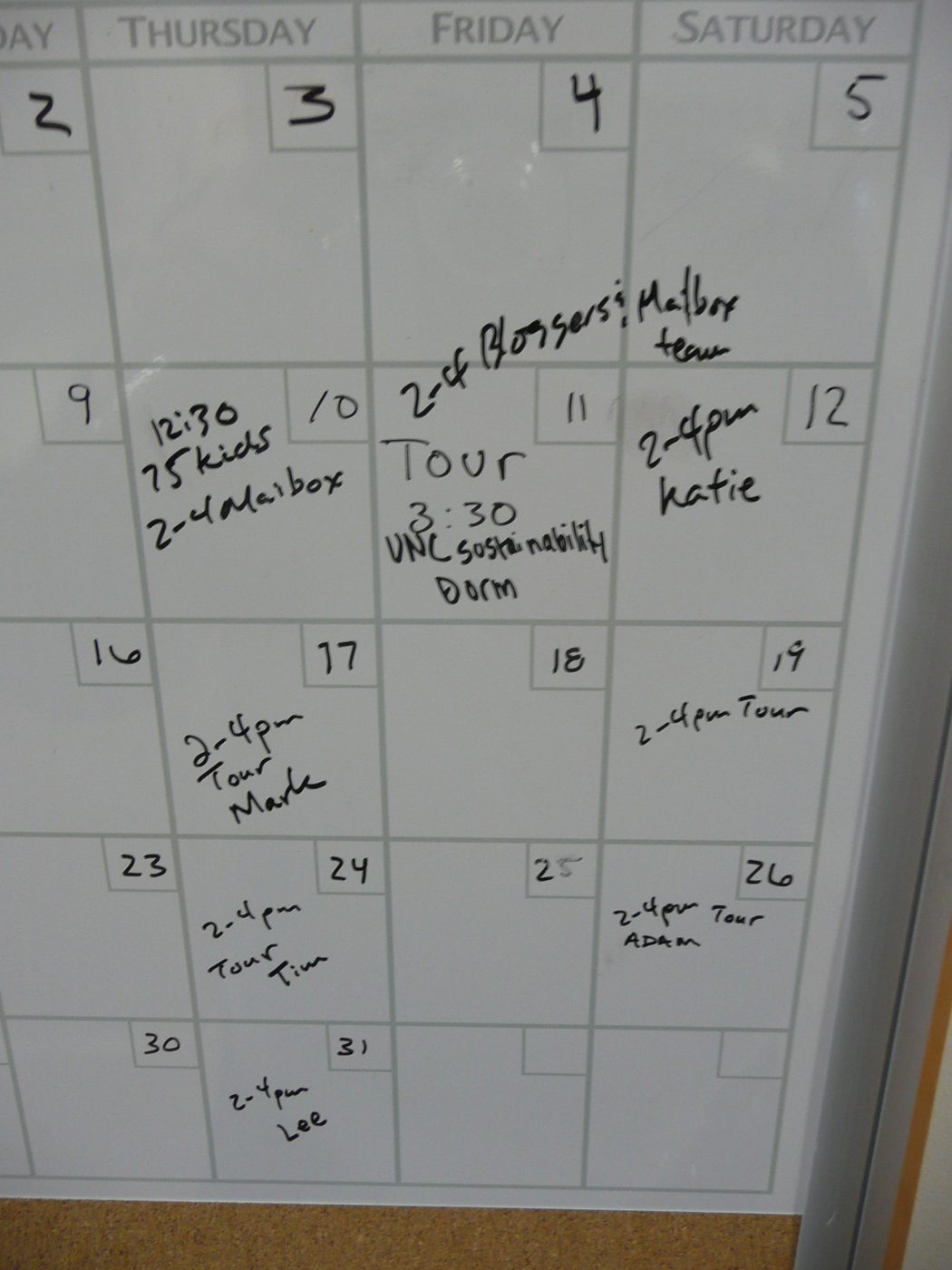
Sources: Duke Smart Home history; Duke Today, October 2006; The Chronicle, November 2007; Lee's account and photos.
Competitions
Environmental design contest
Duke teams at the WERC Environmental Design Competition: arsenic removal in 2006, biomass energy in 2007, and again in April 2008, when the Duke team placed second in its category.
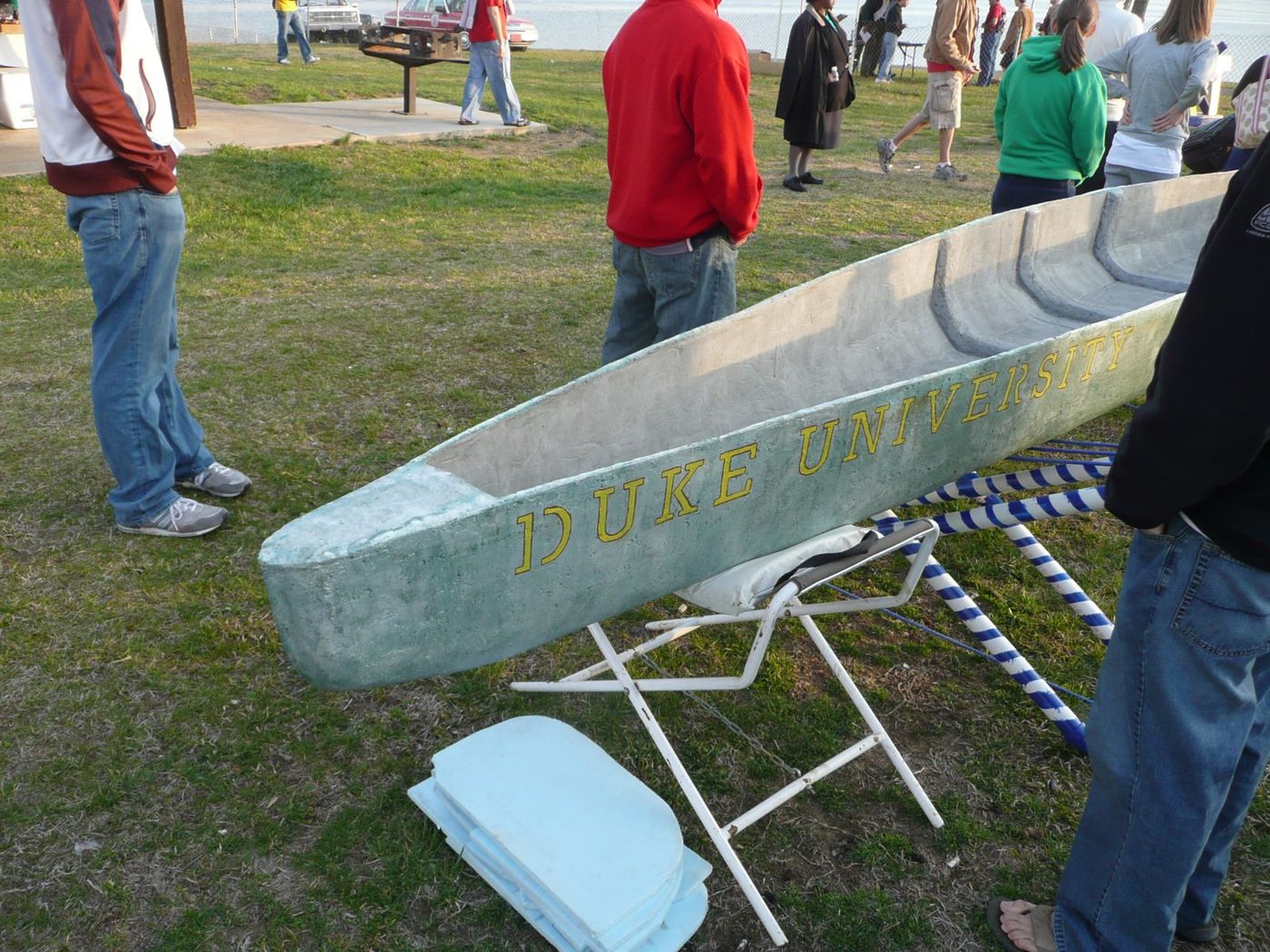
Concrete canoe
Lee was environmental chair of Duke's ASCE student chapter, which raced a concrete canoe and built a steel bridge. The photo is from the ASCE Carolinas conference in spring 2008.
Engineer of the Future
First-place team in IBM's Cities of the Future contest.
Service trips
Habitat for Humanity builds in Durham and Daytona Beach, two weeks with an NGO rebuilding after Hurricane Stan in Guatemala, and a community centre and rural clinic in the Dominican Republic.
Sources: Lee's resumes (2007, 2008), J.W. Saxe Prize application, CV, Lee's October 2006 workshop application, and Lee's April 2007 update to the Tyler Ahern Brown scholarship donors. Competition photo from Lee's collection.
Class president, graduation speaker, Marshall Scholar
Lee was President of the Pratt Class of 2008 in Engineering Student Government from February 2007, and spoke for the class at Pratt's graduation in May 2008. Lee also led Duke's IAESTE chapter and sat as the undergraduate representative on the Presidential Committee for Facilities and Environment.
"Welcome Pratt Class of 2008. It has been a long road and we have reached the end of this journey in what seems like much less time than anticipated."
"On the drive back to the airport, we asked him what the most interesting or amazing thing he saw while in the US. While we expected to laugh about the ridiculous products in the Smart Home, or the 16 pillows on the bed at the Washington Duke Hotel his first night … His answer was instead 'you have good roads here'. And the most impressive device, 'a drinking fountain'."
"Regardless of the direction, Pratt has prepared us well. We have good roads ahead."
From the final text Lee emailed himself at 8:46 on the morning of graduation, 11 May 2008, which fell on Mother's Day; the title is from Lee's 2012 CV. The middle passage is about Ignitius Bwoogi's month at Duke that spring. The speech opens: "Welcome Mother's and happy Mother's day, thank you for all that you do."
Honours and awards
Sources: Lee's CVs (2014, 2026) and resumes (2007, 2008); Duke Today, "Student Honors and Laurels", May 2007; Duke Today, "2008 Student Laurels and Honors", May 2008; Duke CEE, William Brewster Snow Award recipients; EPA NCER. The three 2008 graduation awards are as engraved on Lee's plaques.
"Neither of my parents went to a four-year college."Lee Pearson, in a scholarship statement written at Duke
Photos from the Duke years
Lee's pick of photos from the Duke years. Tap a photo to see it full size.
Photos from Lee's own collection, including some taken by teammates and faculty. Dates come from folder names and camera data.
Off to the UK on a Marshall Scholarship
The Marshall took Lee to Edinburgh for an MSc in Ecological Economics and to Cambridge for an MPhil in Engineering for Sustainable Development, and then to the PhD at Imperial. RASD came along: through Engineers Without Borders UK, Lee ran yearly three-month placements of British volunteers with RASD's coffee farmers until 2013, and the PhD's coffee fieldwork took place in Nkokonjeru.
Edinburgh MSc
Ecological economics: virtual water and land in global trade.
2009 to 2010Cambridge MPhil
Engineering for Sustainable Development and household water efficiency in Scotland.
2011 to 2015Imperial PhD
Who decides what food crosses a border, and the risk games with Ugandan coffee farmers.